Даша ( Darja Filippova )

artist-scholar
I was born to a single mother in the USSR — a country that dissolved, making us immigrants without ever moving.

My childhood was marked by the transition to neoliberal capitalism, humanitarian aid, and my mother’s search for a Western husband. After her success, we immigrated to the US, where I was kicked out of an all-girls boarding school for revolutionary agitation.

Post-socialism is the imaginary from which I think desire, comradeship, and justice. From the ruins of socialism, I work to reanimate other ways of being in the world. My practice follows the split ends of a single Red Thread — красной нитью проходит. One strand runs through revolutionary socialism and asks: What is left of the Left? The other runs through the tradition of the Birth Circle, where performance art becomes a collective rite of passage. I often dream of the early Soviet avant-garde as the union point of these split ends — performance and theater conceived as mass revolutionary rites, embodied transformation into a world where everyone is provided for according to their needs.

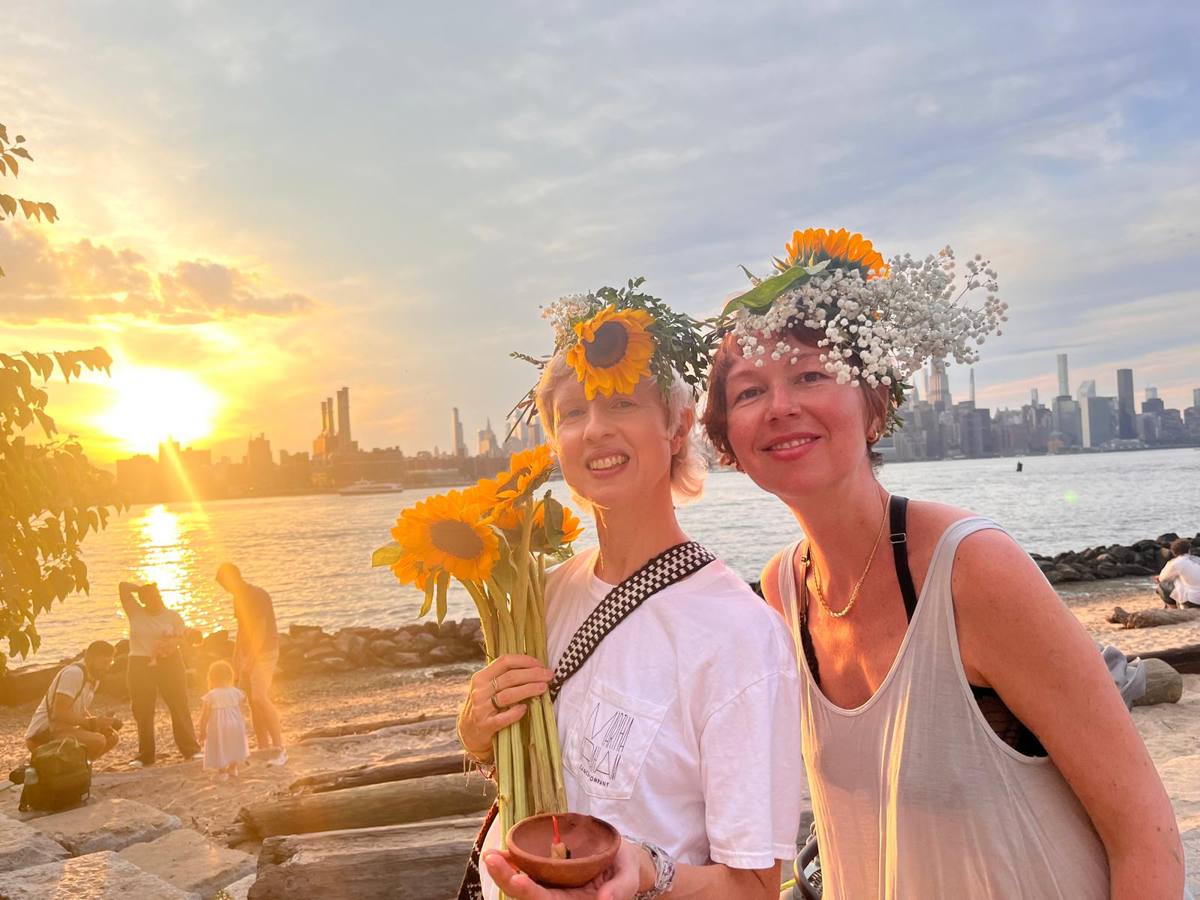
I am completing Sacra Kaka, a work of autotheory weaving animism, motherhood, and mythology. I live on Lenape land in New York City, teaching at the School of Visual Arts and Baruch College, and spend my summers in an Estonian village, picking blueberries in the forest with my two sons.

The Book

Sacra Kaka

a work of autotheory · animism · motherhood · mythology

a devotion to the sacred in the kaka of life

My pregnancy was timed to the writing of my PhD dissertation, Indigestible Bodies. At the Princeton graduation ceremony, I became a Doctor of Philosophy while carrying my four-day-old son across the stage. From thesis to feces, we joked.

Sacra Kaka is a kind of mommy book, as well as a work of scatological feminism. It digests an elite academic experience through motherhood, confronting the philosophy of the body with my actual body. The book moves from a compost toilet in an Estonian village to the ghats of the Ganges, from Luce Irigaray’s feminist deconstruction to the hospital birth room, finding the sacred in the most abject, discarded, and fecal aspects of everyday life — and claiming that as theory in practice.

Manuscript available upon requestRead an excerpt →

Shorter work from the same body of writing

Performance & Ritual Theatre

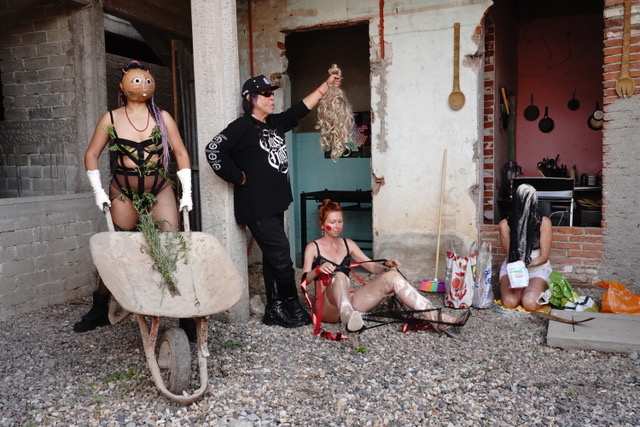
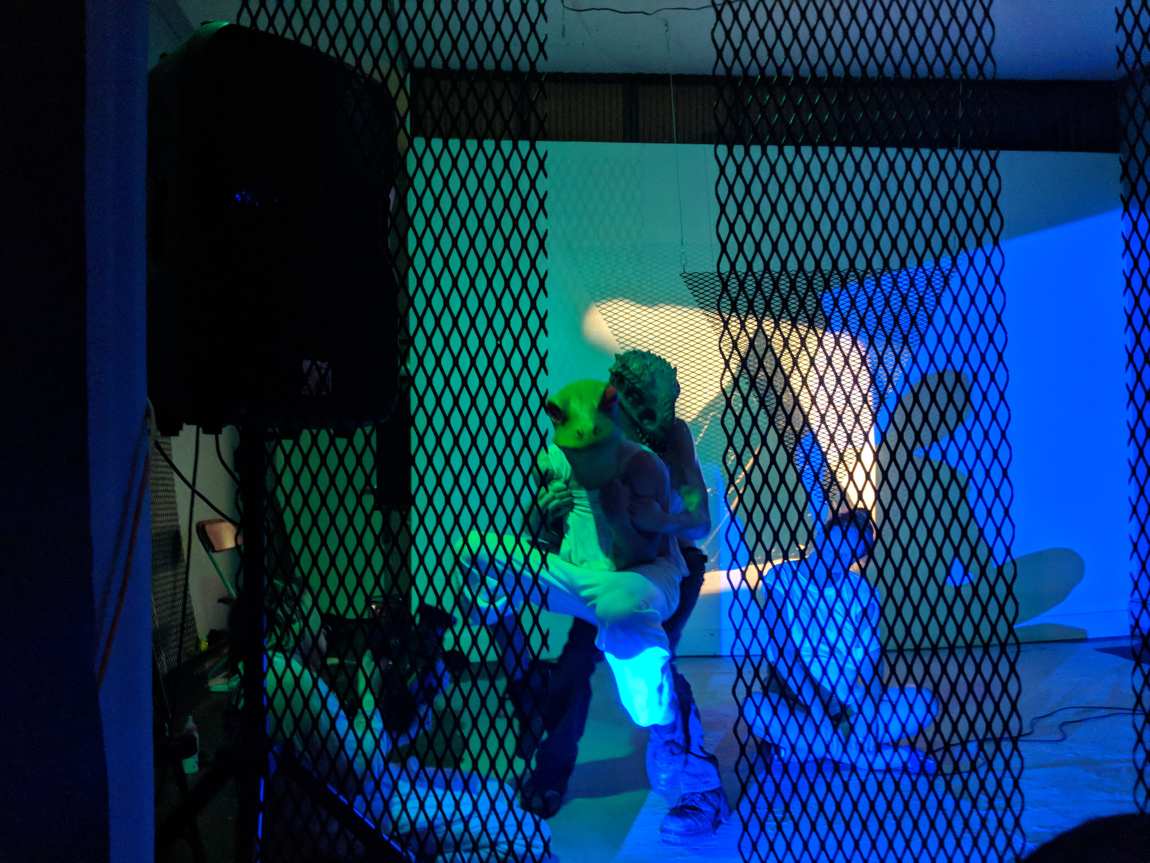
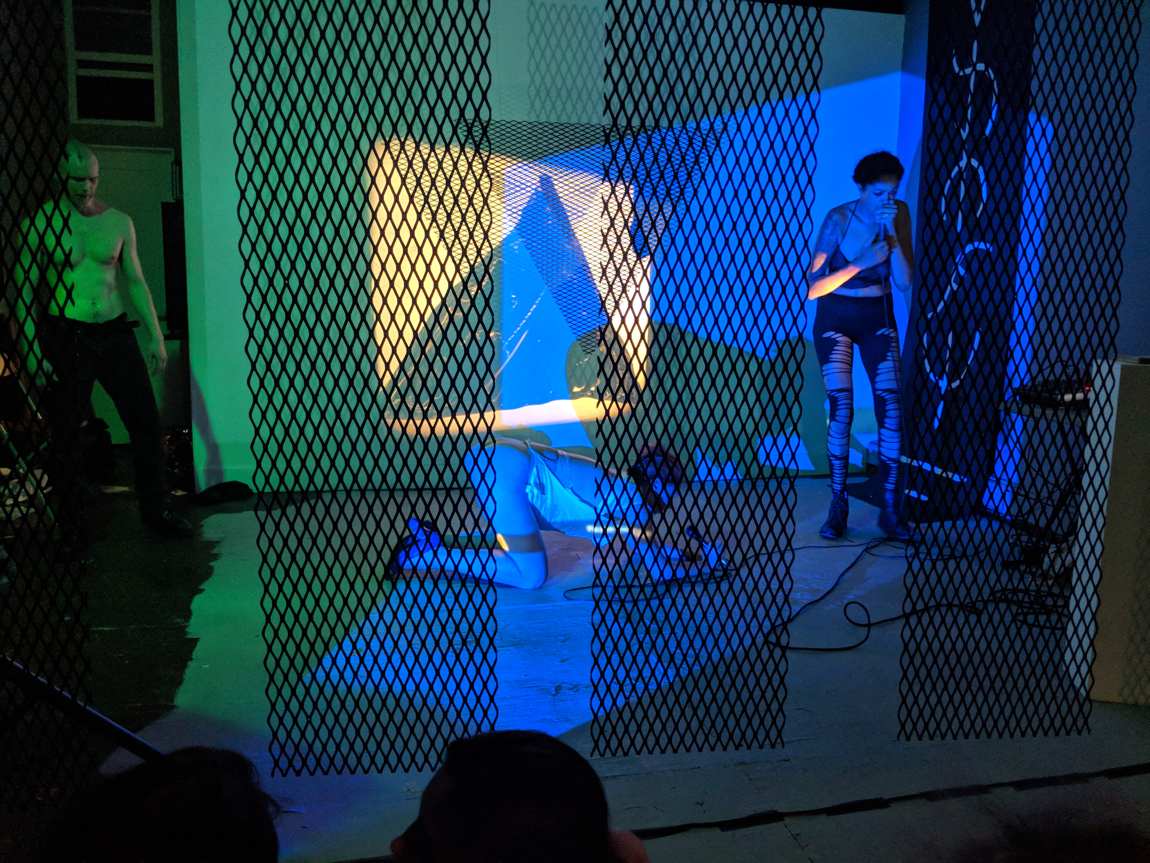
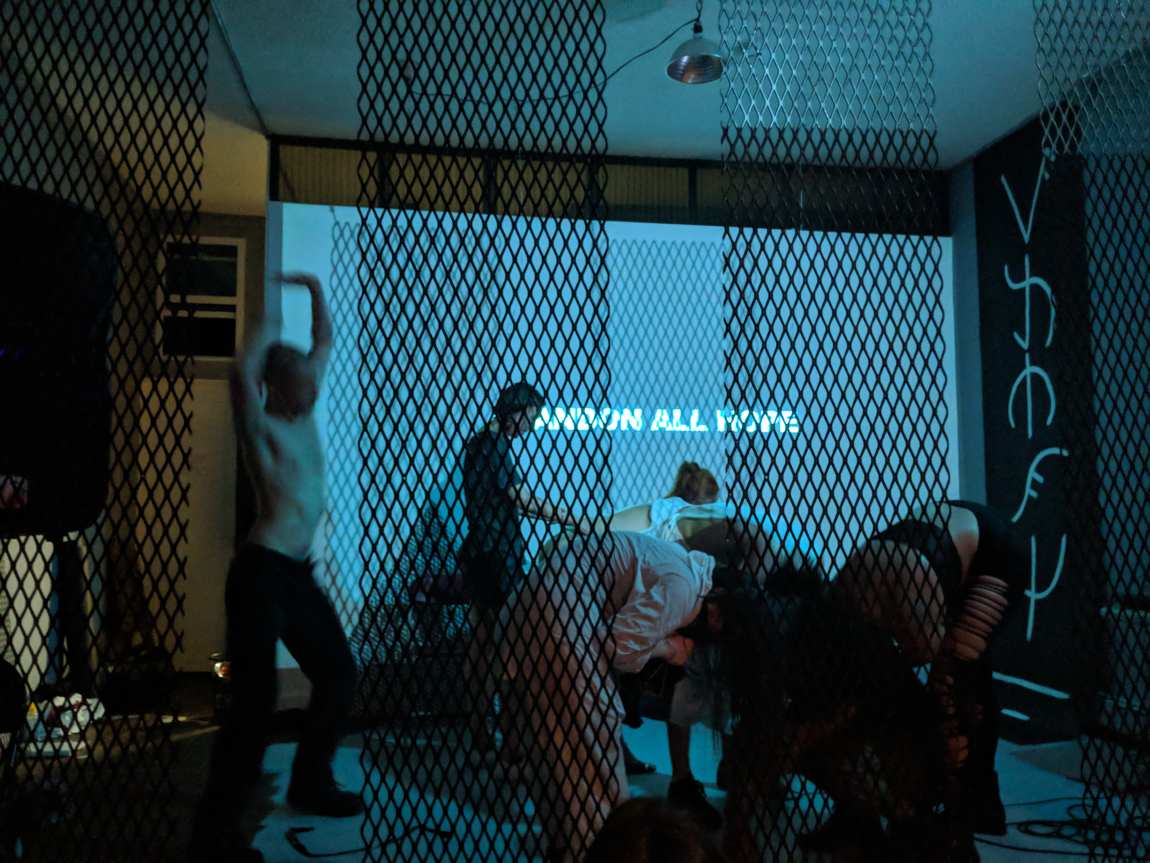
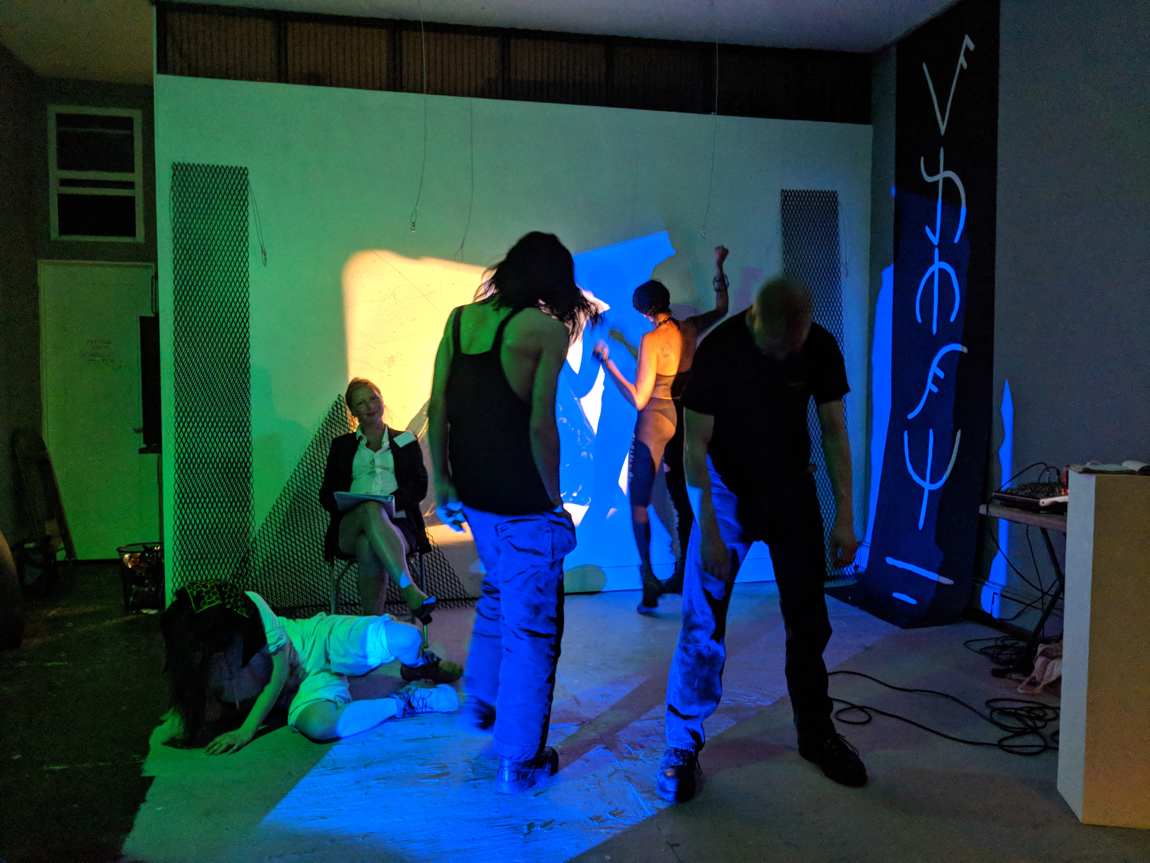
I started making performance as a graduate student at the School of the Art Institute of Chicago. Performance was my medium for taking identity apart — playfully, “in your face.”

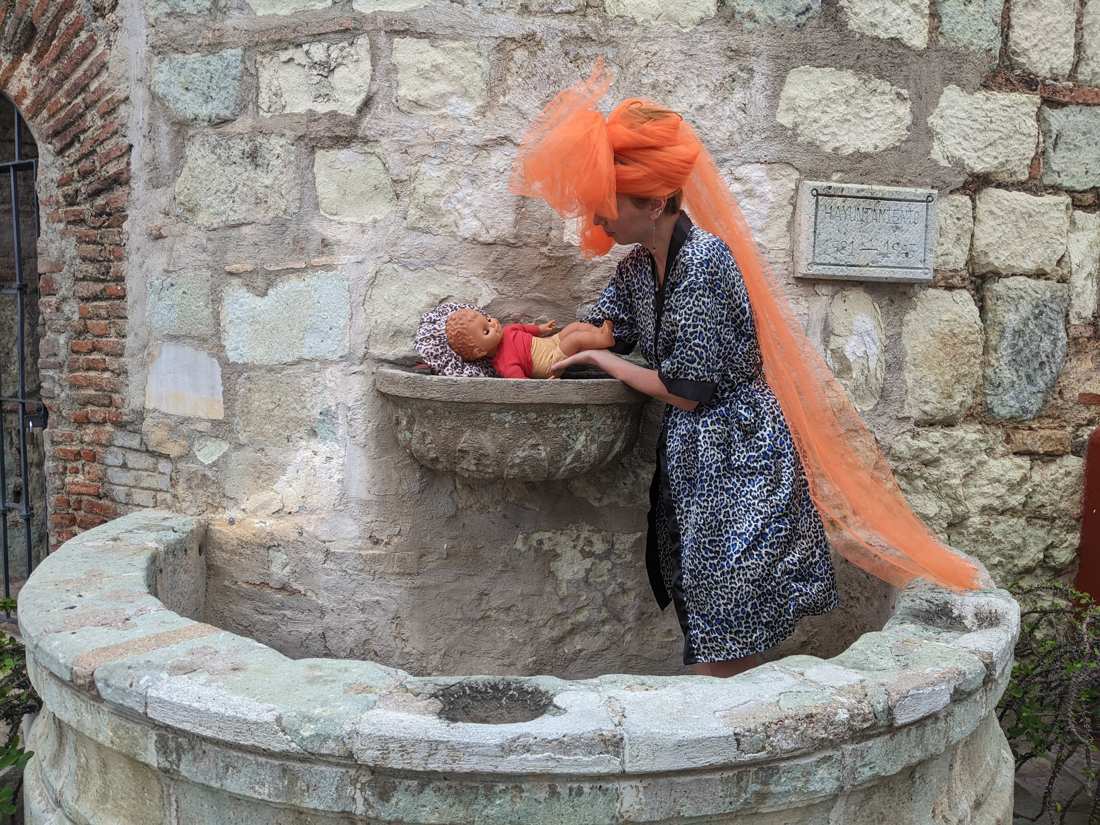
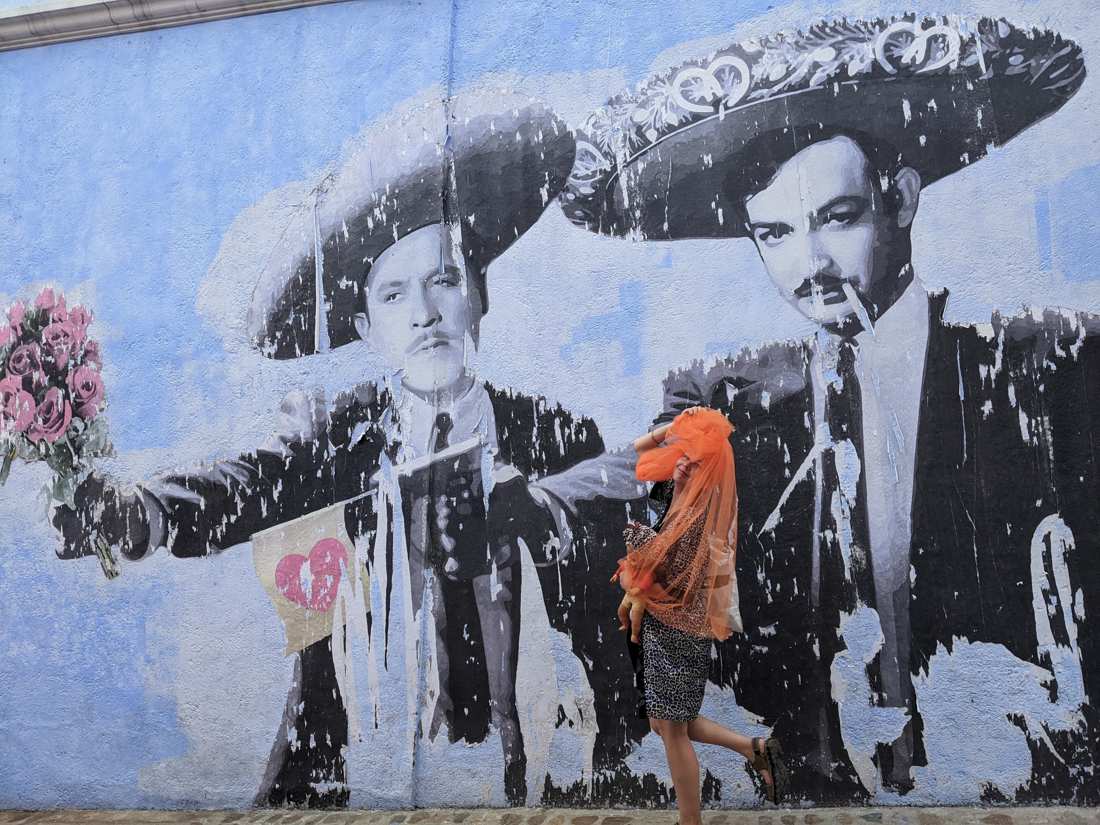
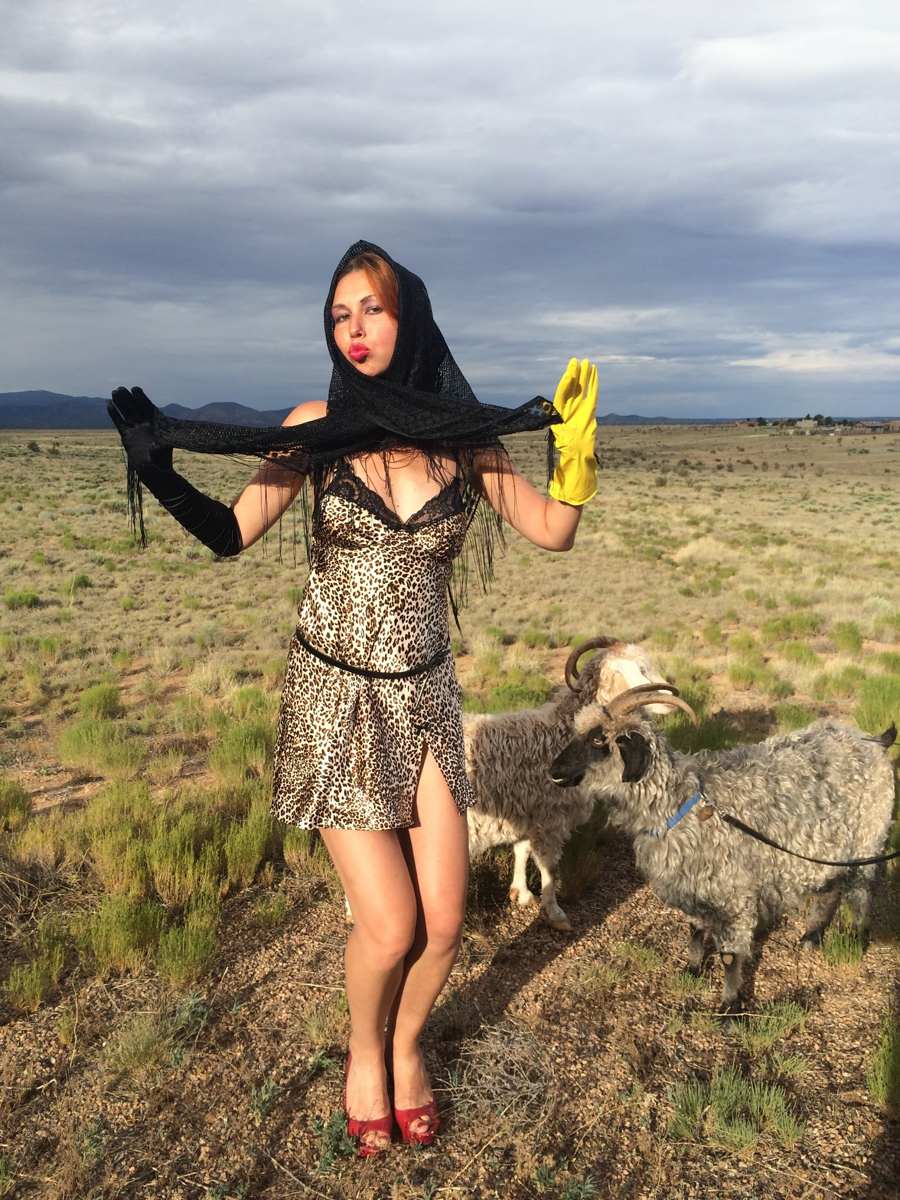
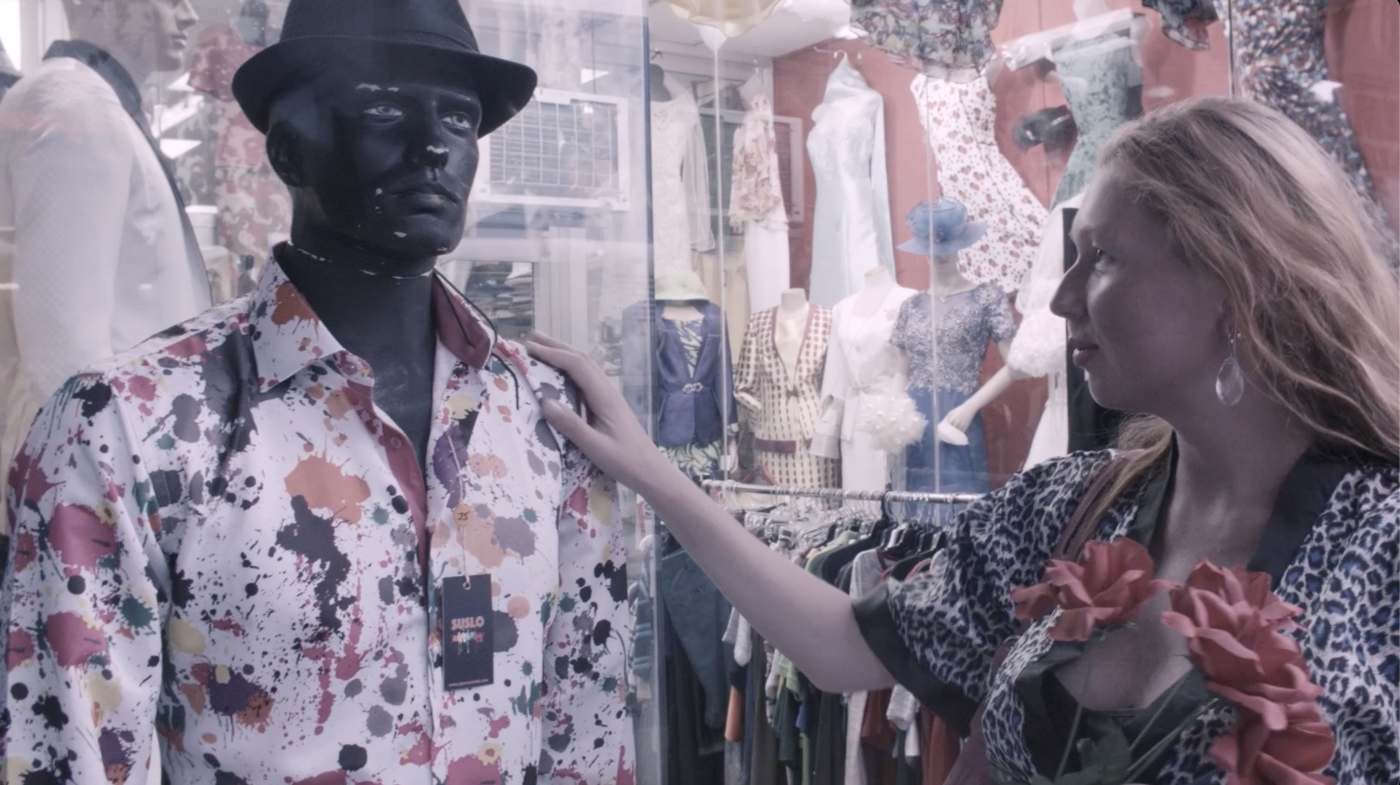
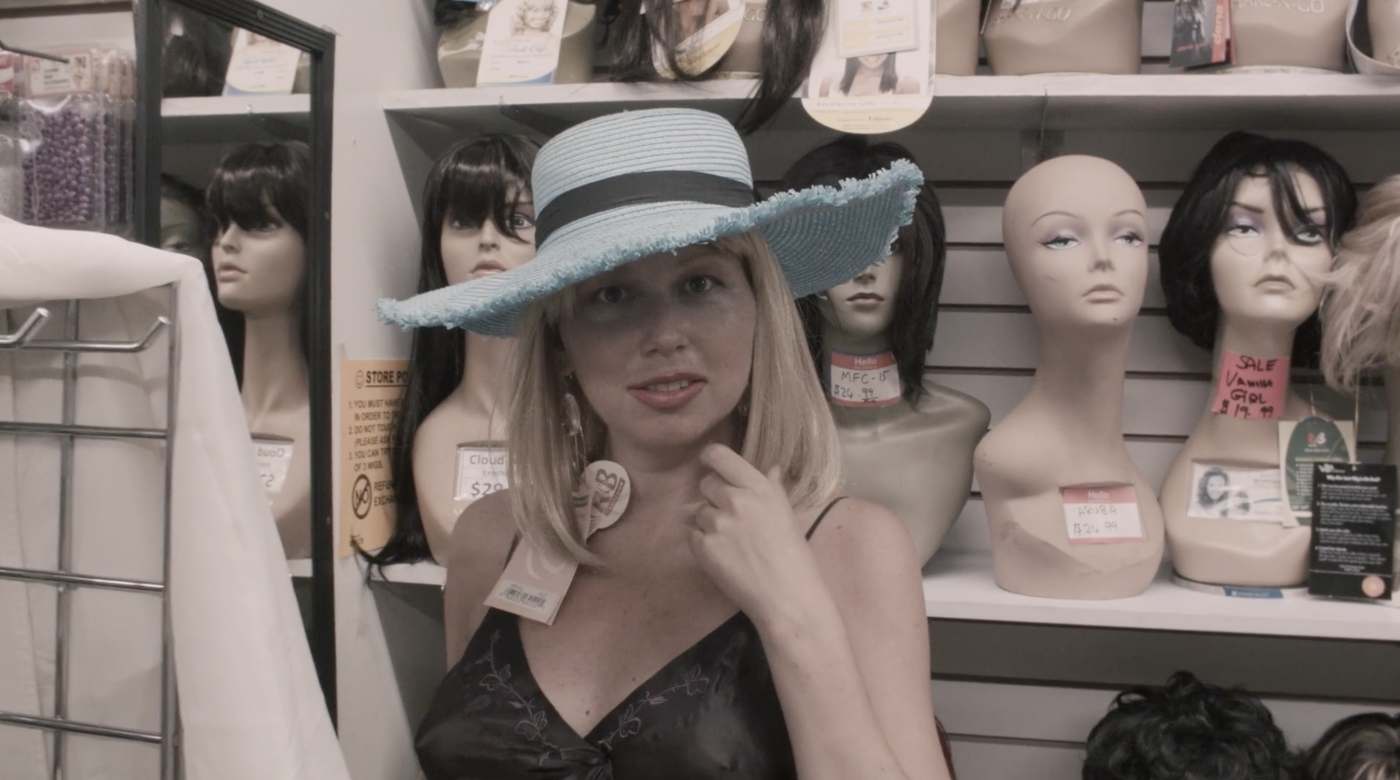
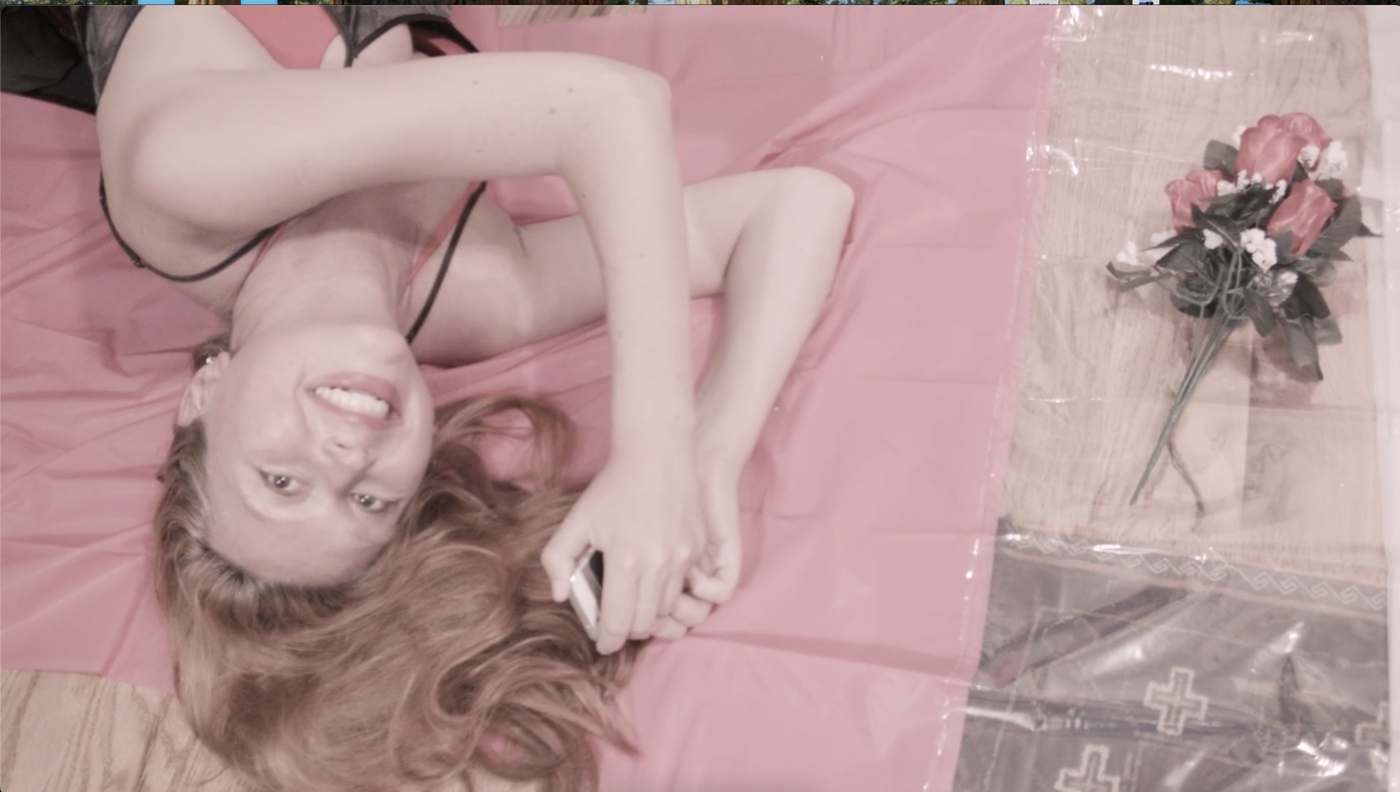
The first identity I took apart was built from my mother’s story — a “mail-order bride” seeking a Western man — and my own coming to America. I developed Natasha (Aquarius, 24, Ukraine) by posing as an American man in the online chatrooms of bride services for Eastern European women. Natasha traveled and performed across the US and Mexico, and starred in a film I co-created with my friend, artist and Pocha Nostra alumna Natalie Peña.

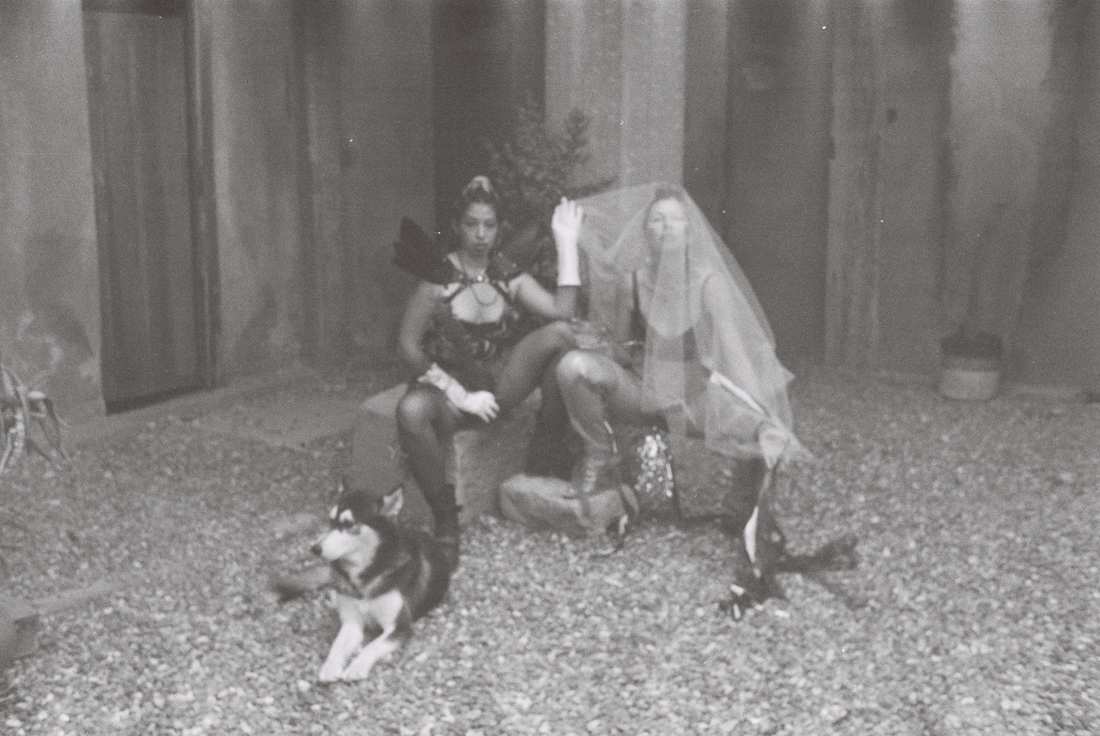
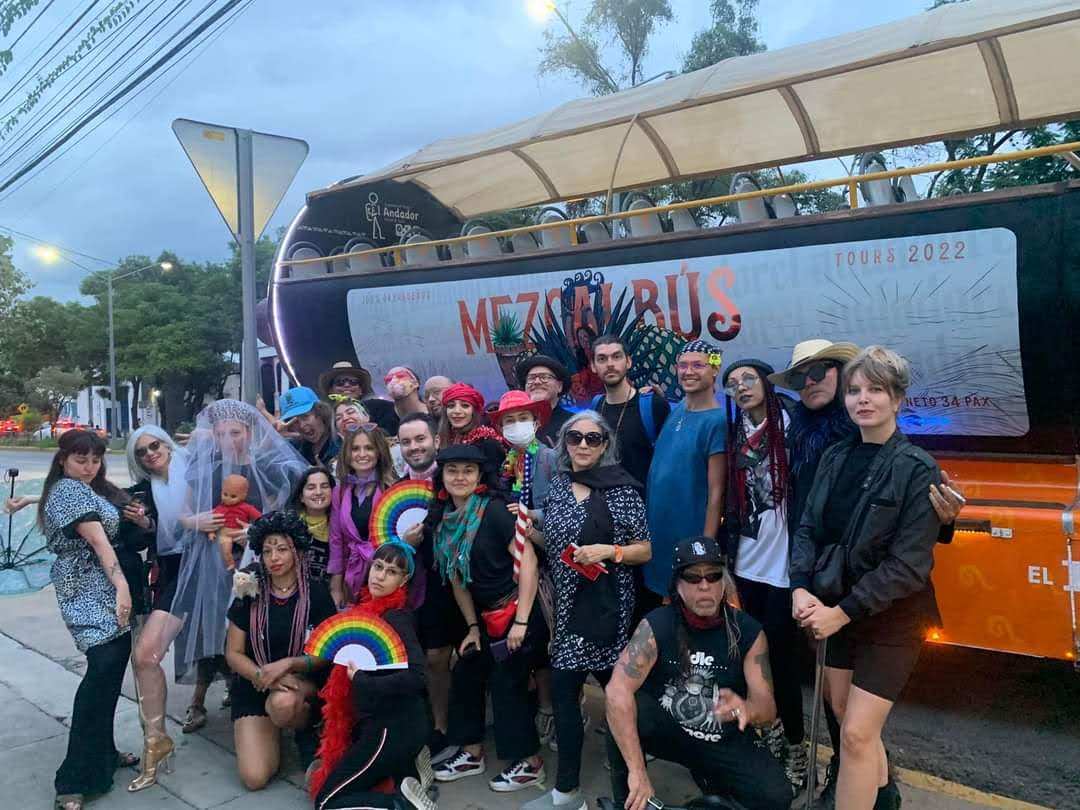
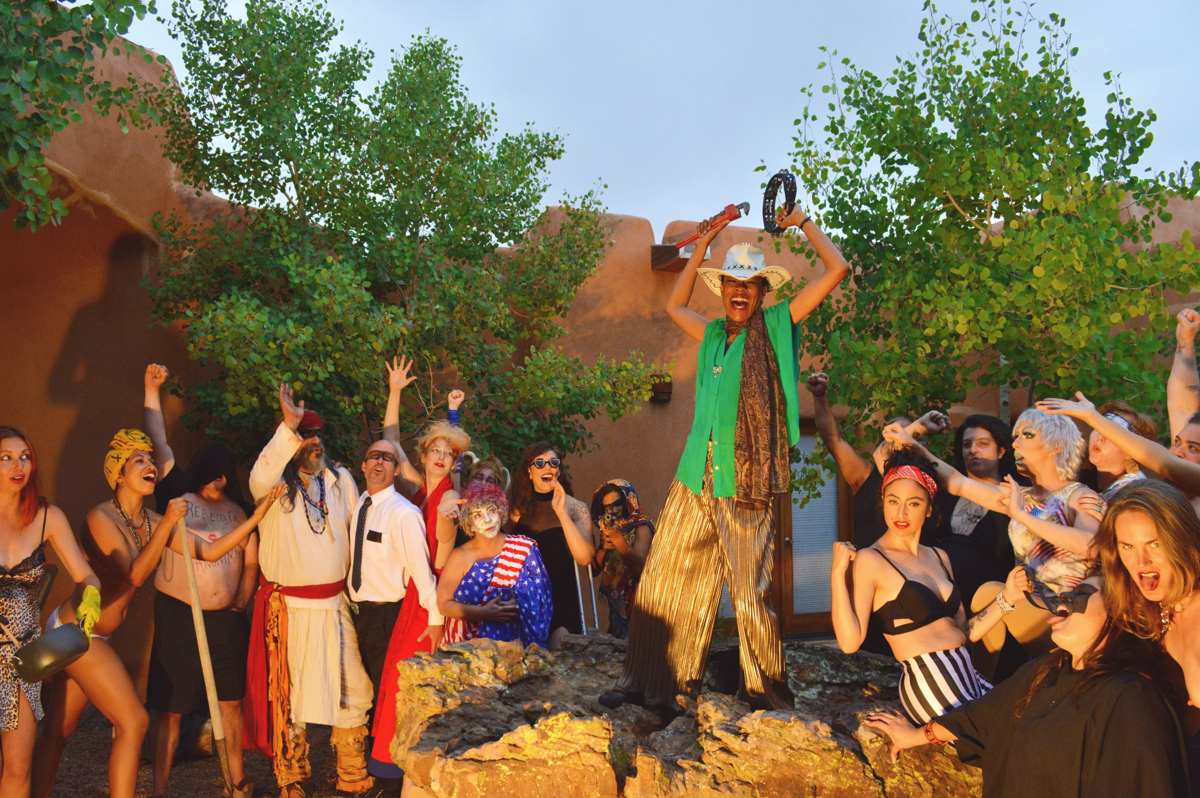
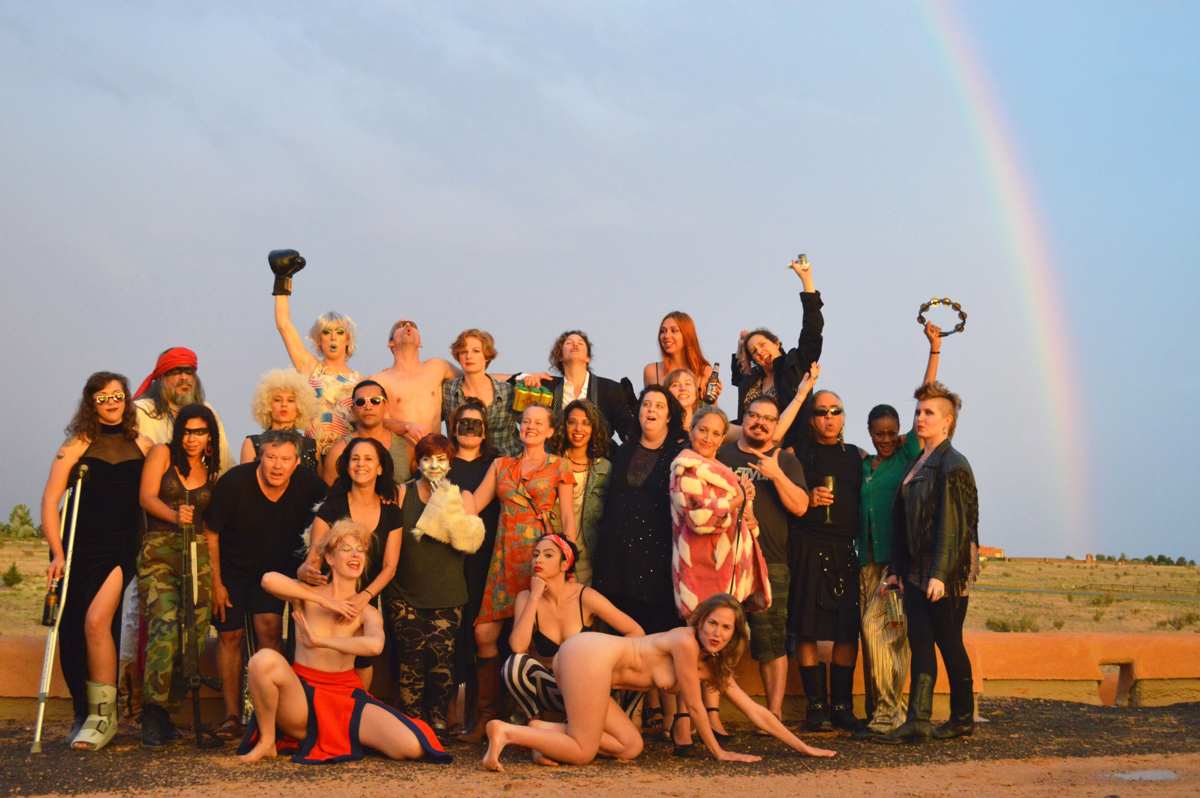
Since 2016, I have worked with MacArthur Fellow Guillermo Gómez-Peña and the radical performance collective La Pocha Nostra, joining their international performance school in Santa Fe, Oaxaca, and Mérida. My approach to performance and its pedagogy — “radical tenderness” — is indebted to this collective, and to Guillermo, mentor and friend.

A Birth Circle held for me during my pregnancy with my second son changed my understanding of performance: I came to see it as the primary medium for collective transformation. Alongside my academic training, I study at the crossroads of decolonial thought and postactivism, and with practitioners of animism and mythosomatics — above all my “Mythic Body” teacher Josh Schrei, creator of The Emerald podcast.

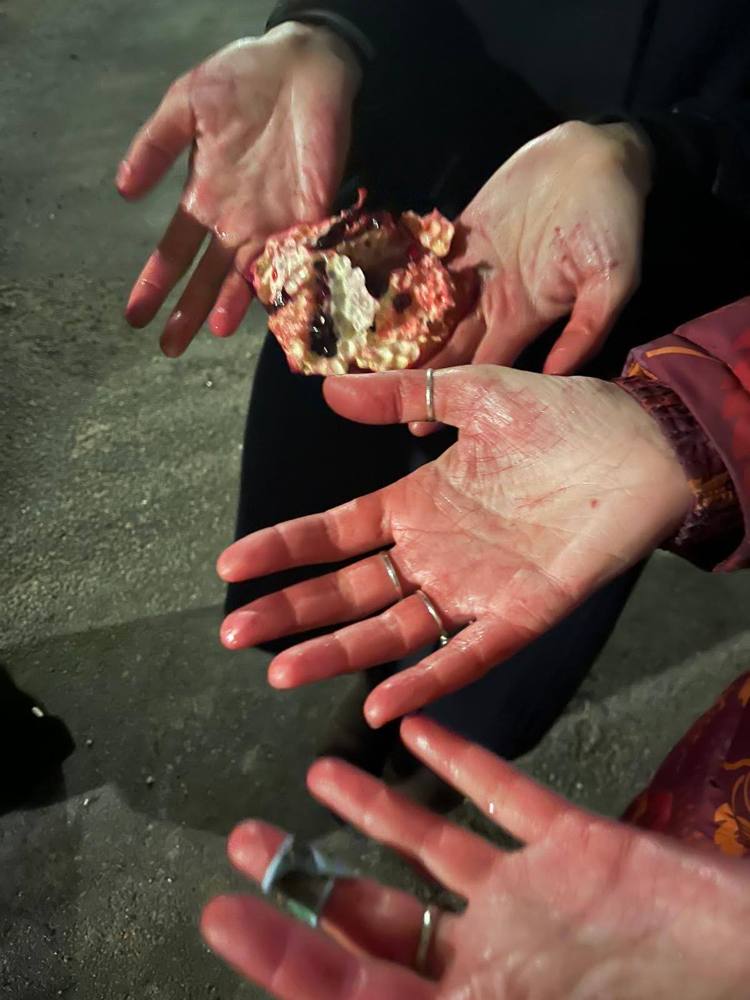
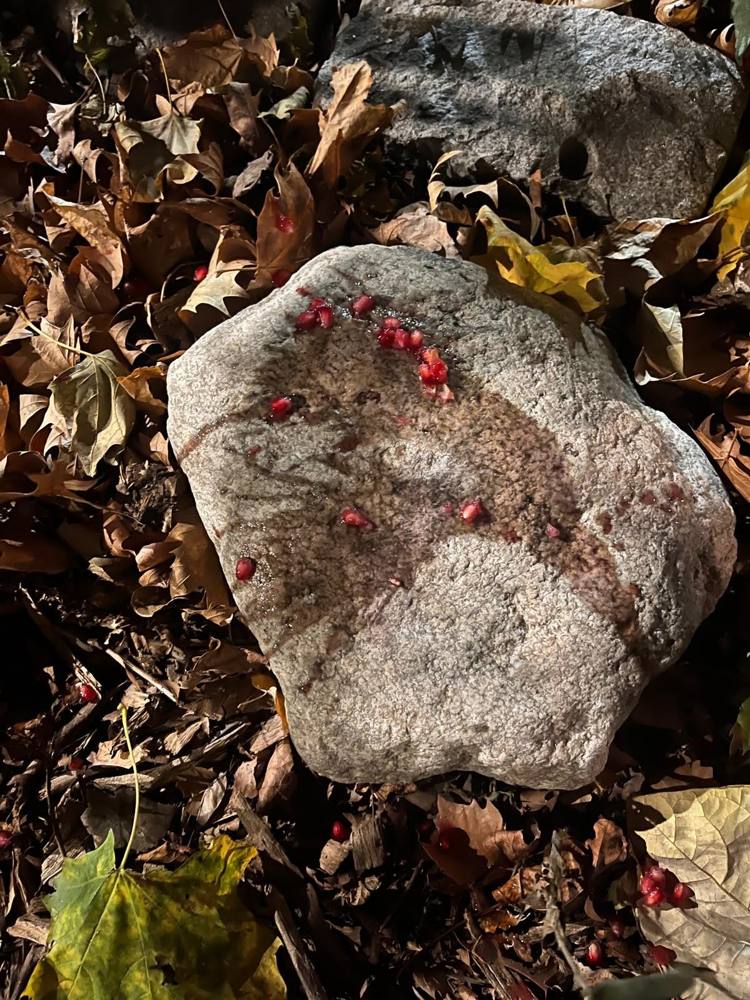
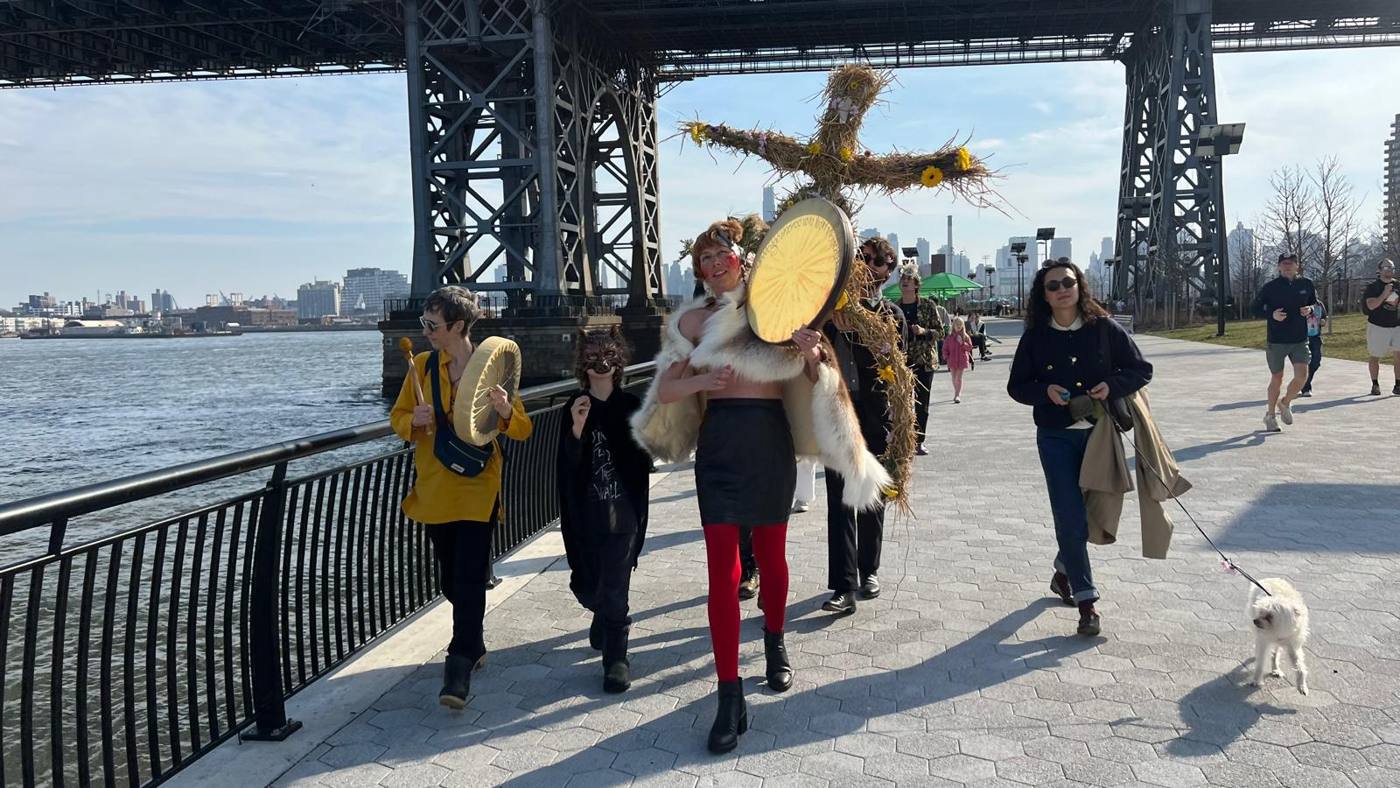
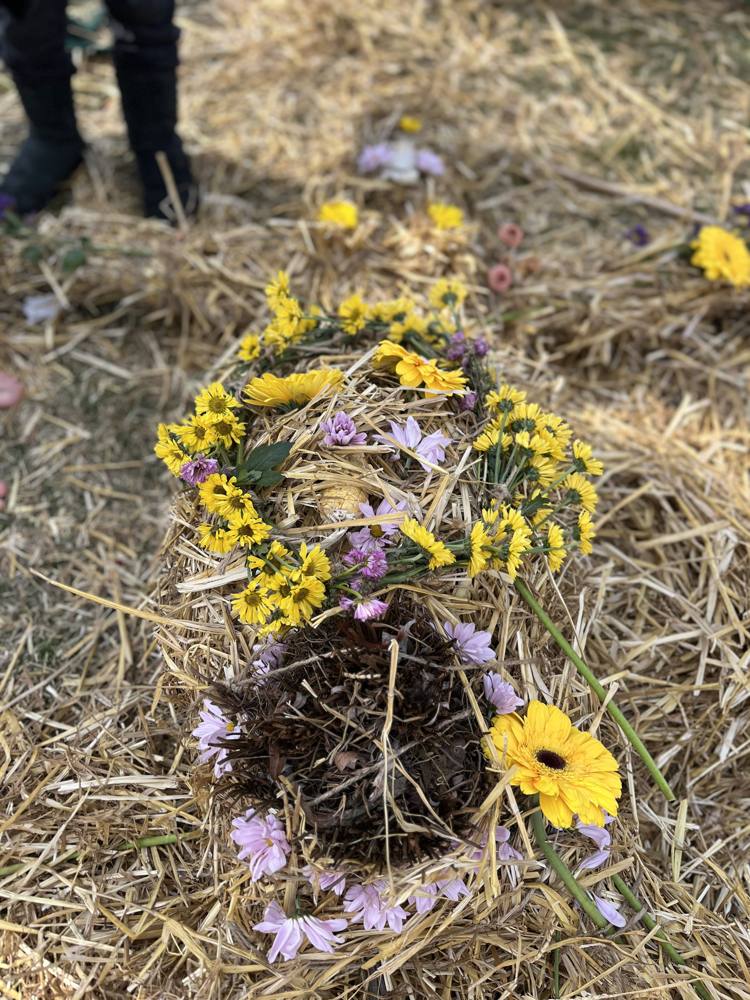
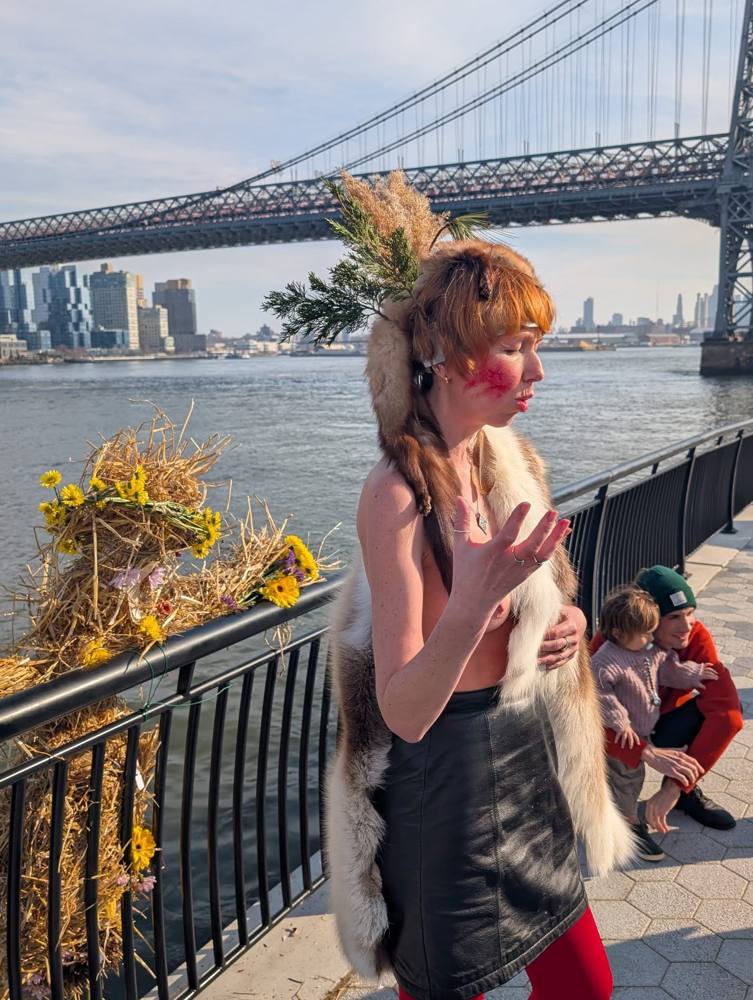
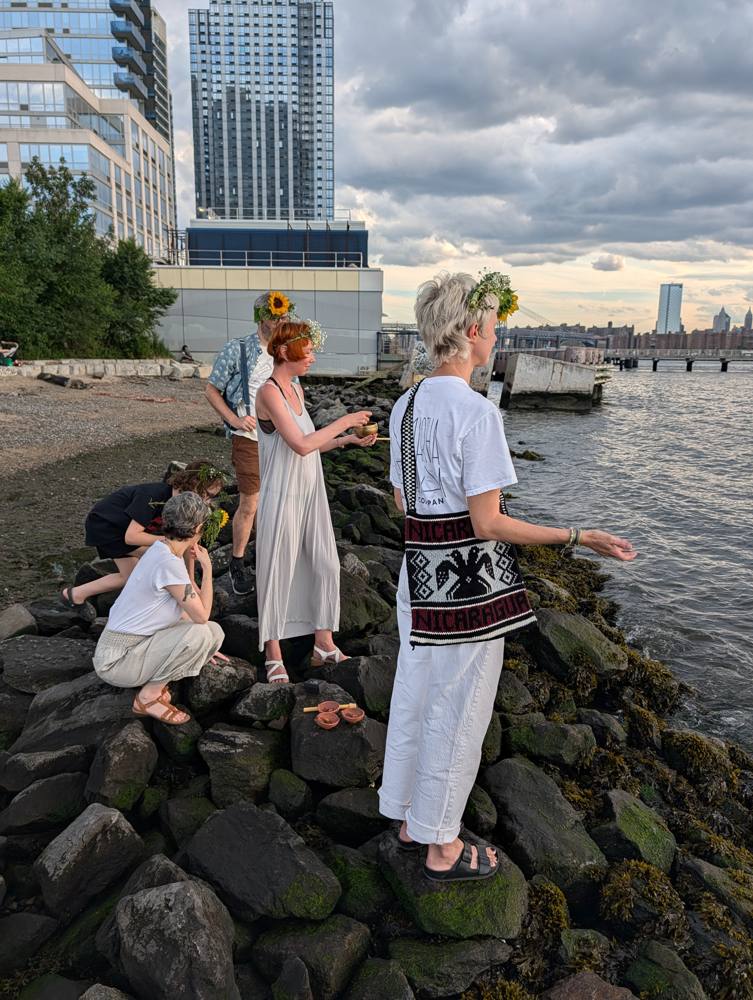
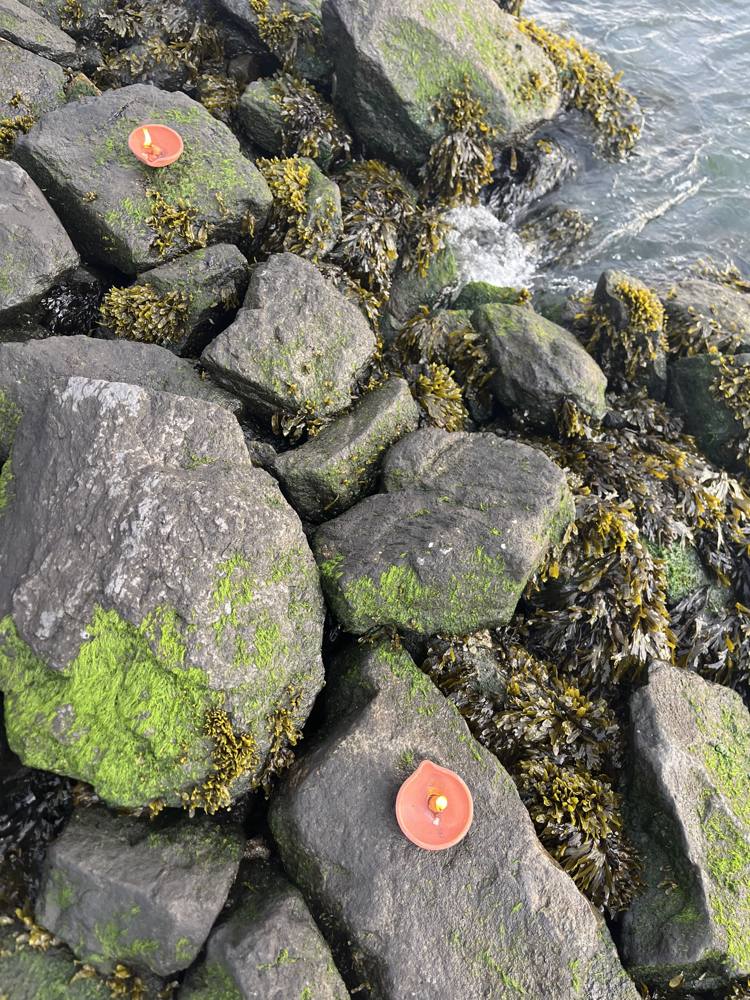
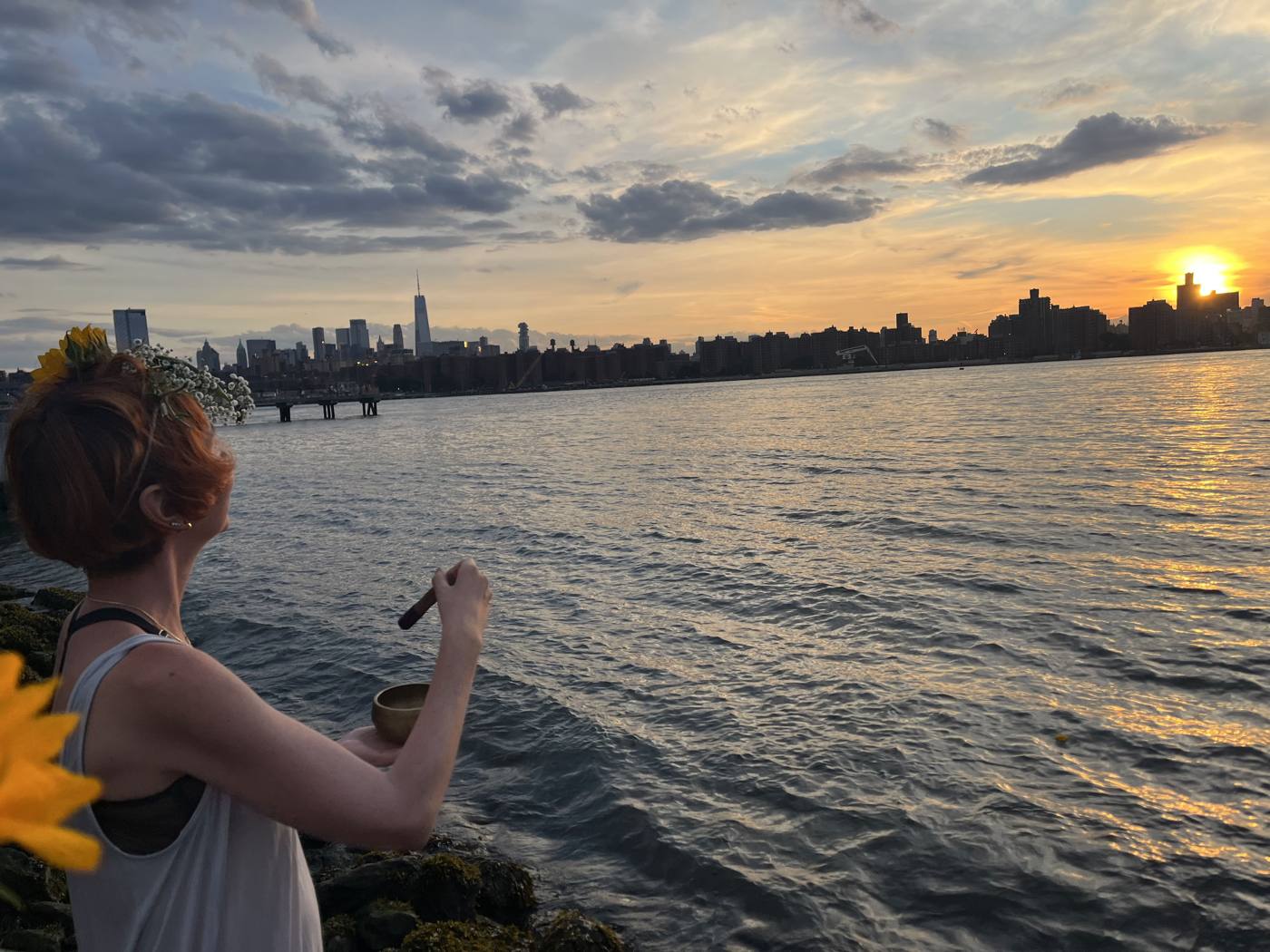
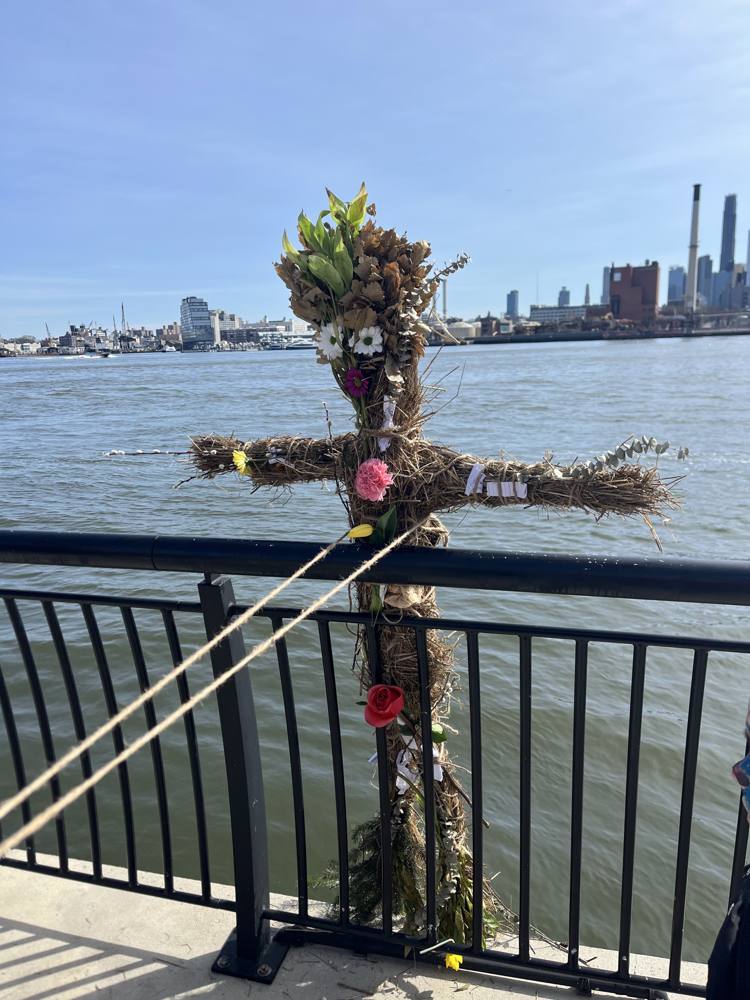
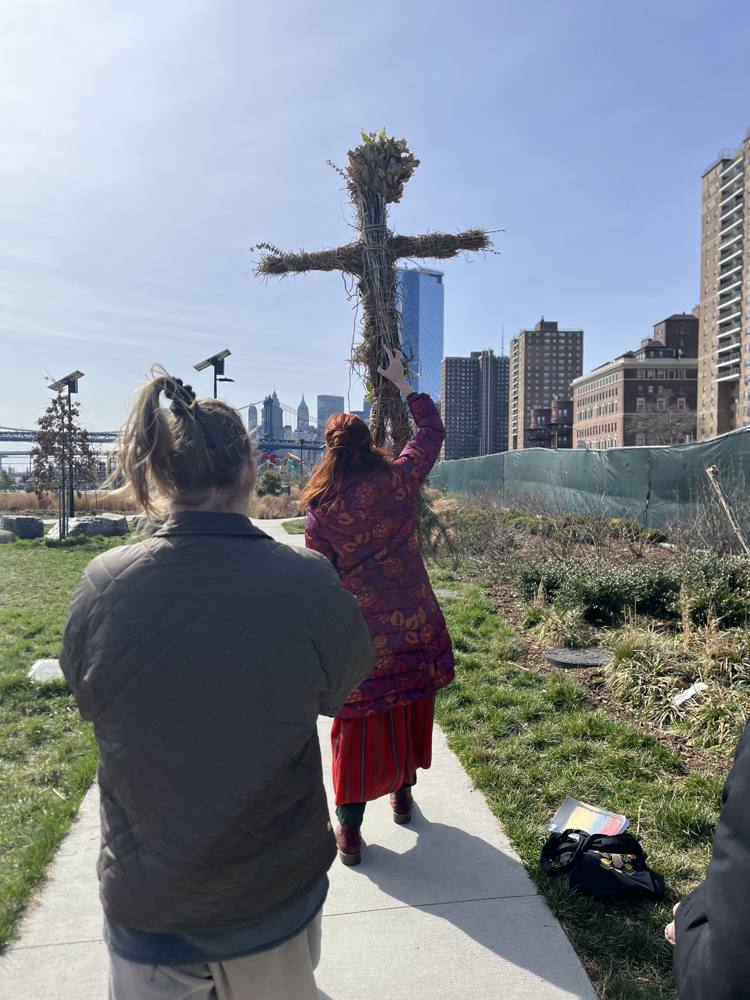
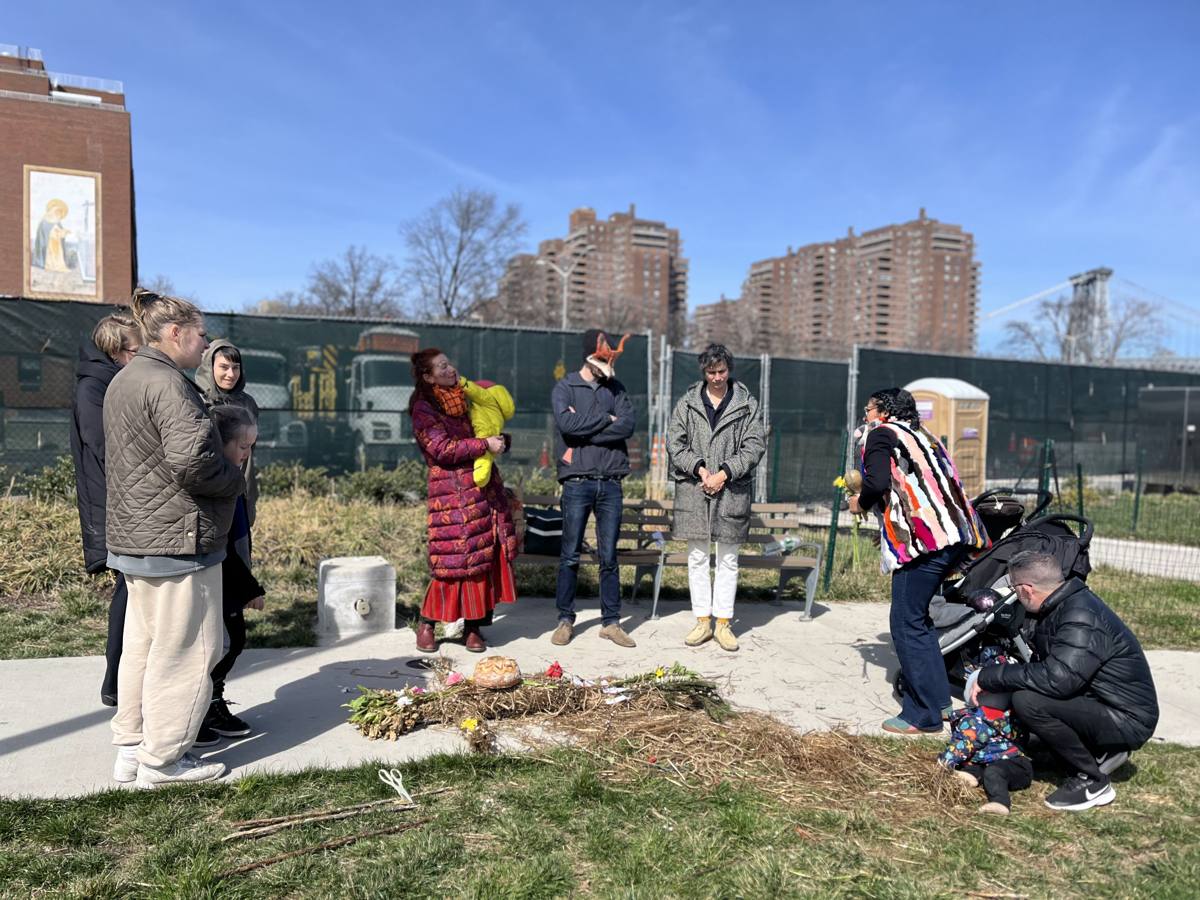
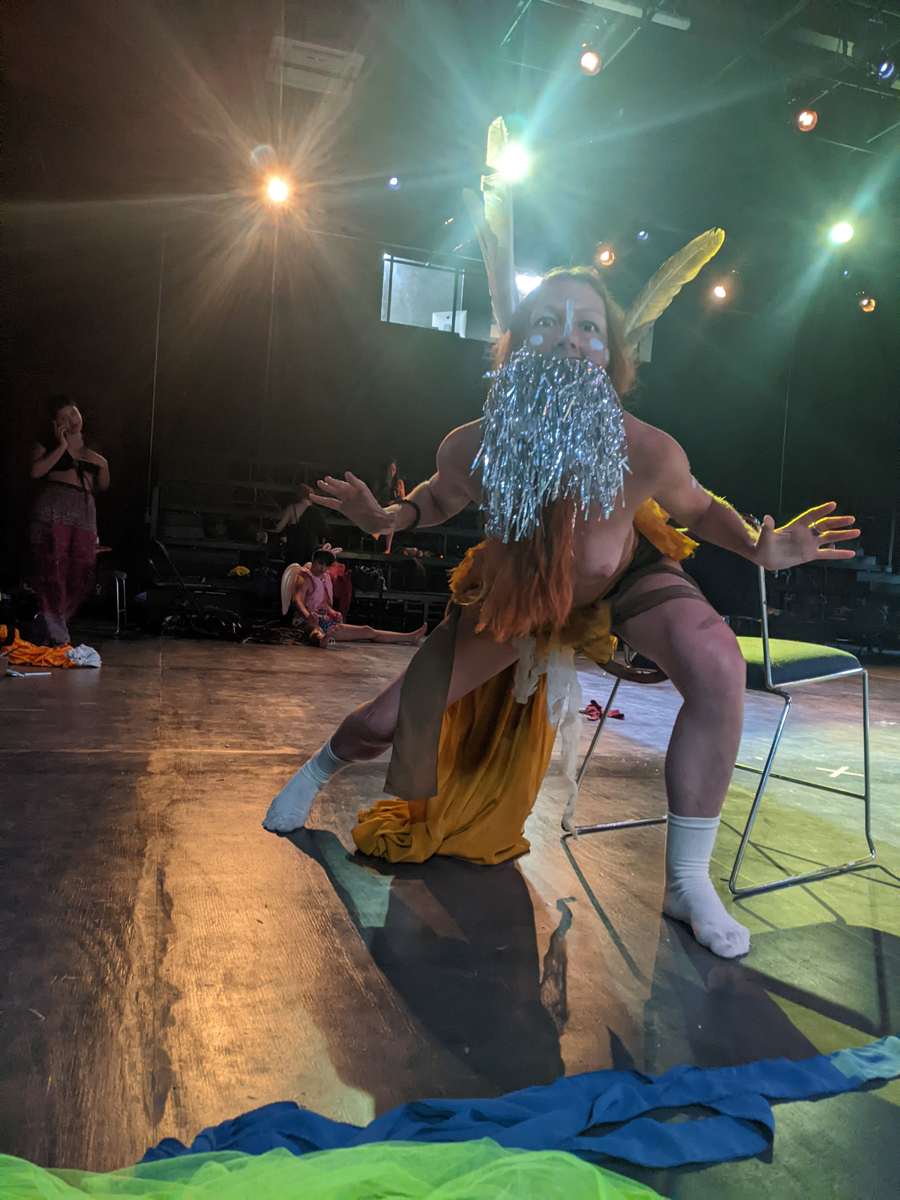
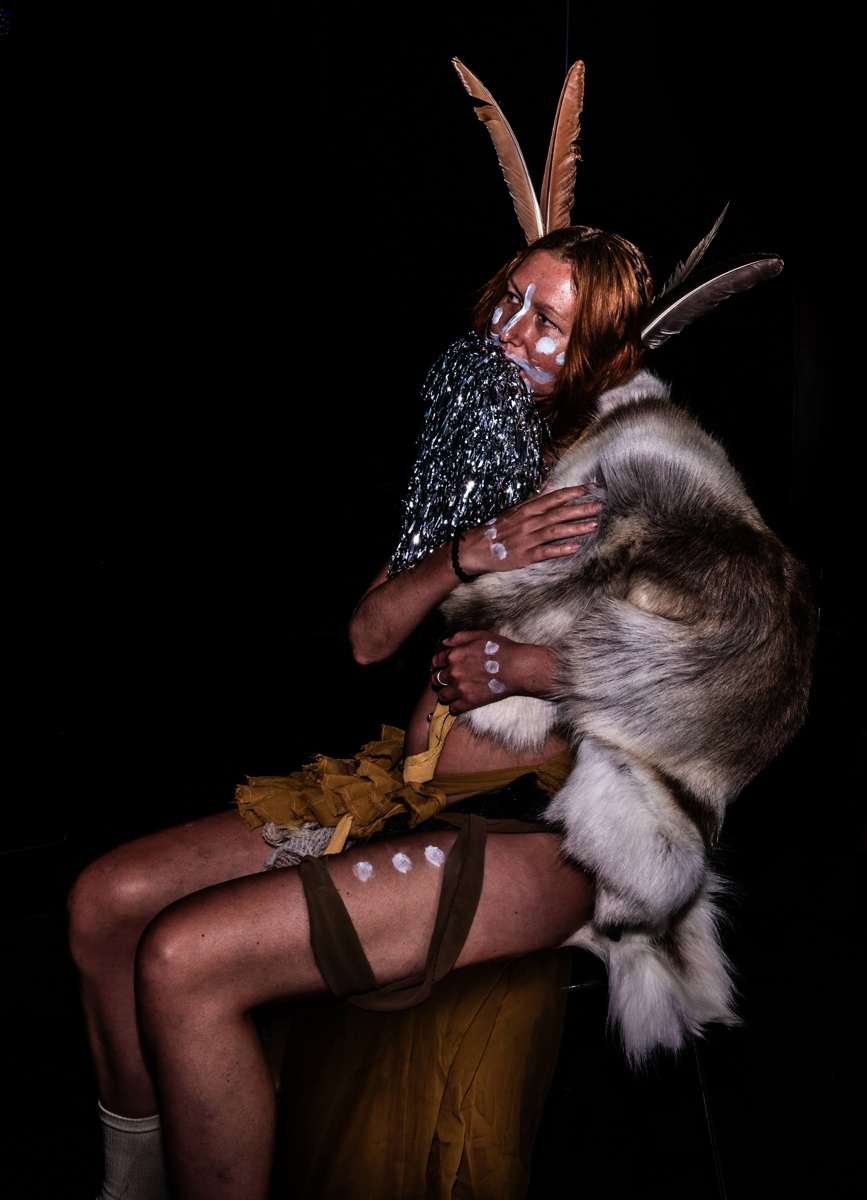
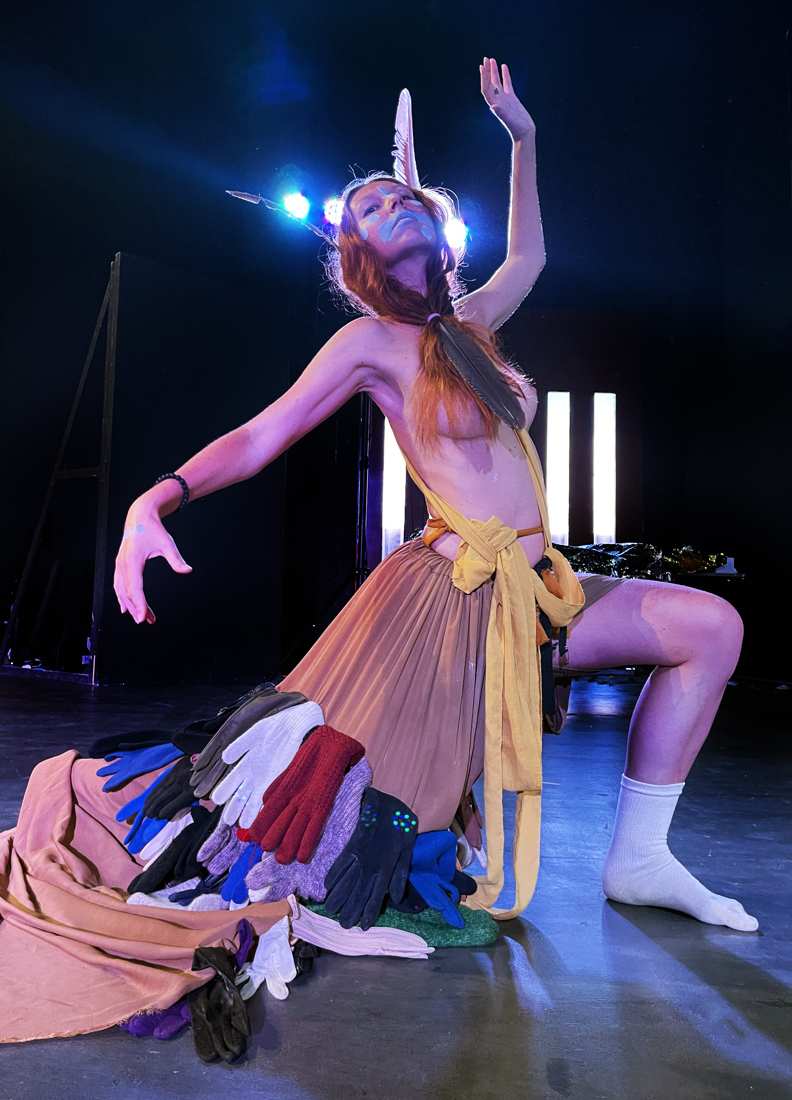
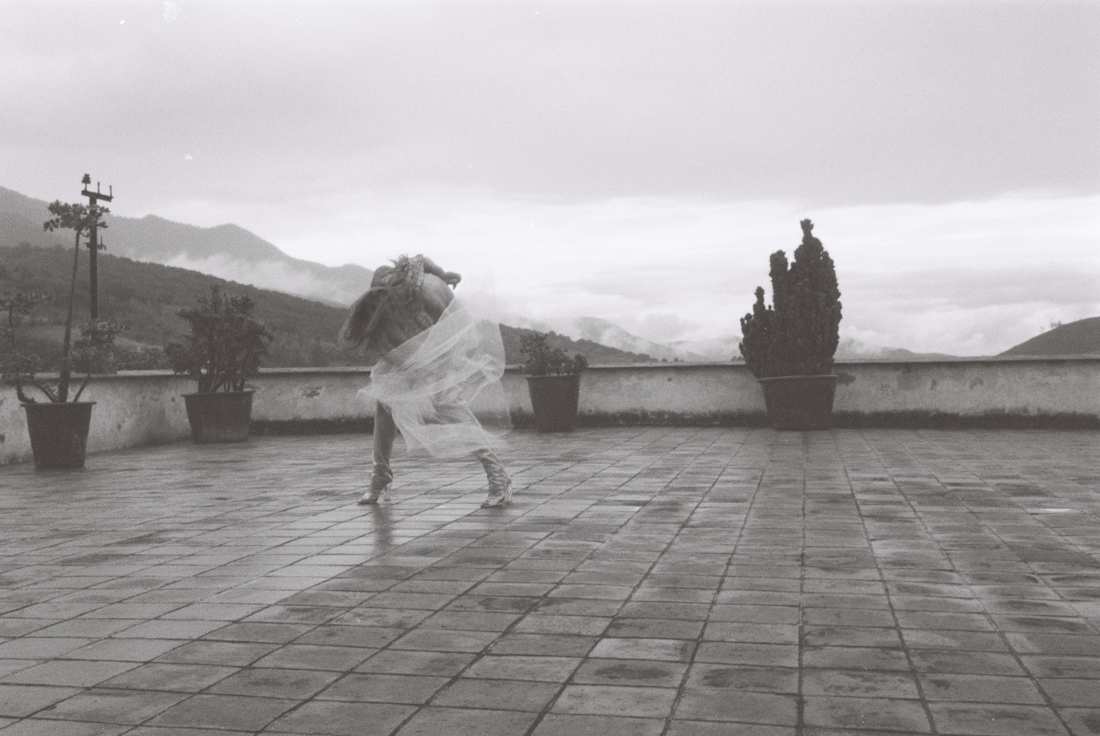
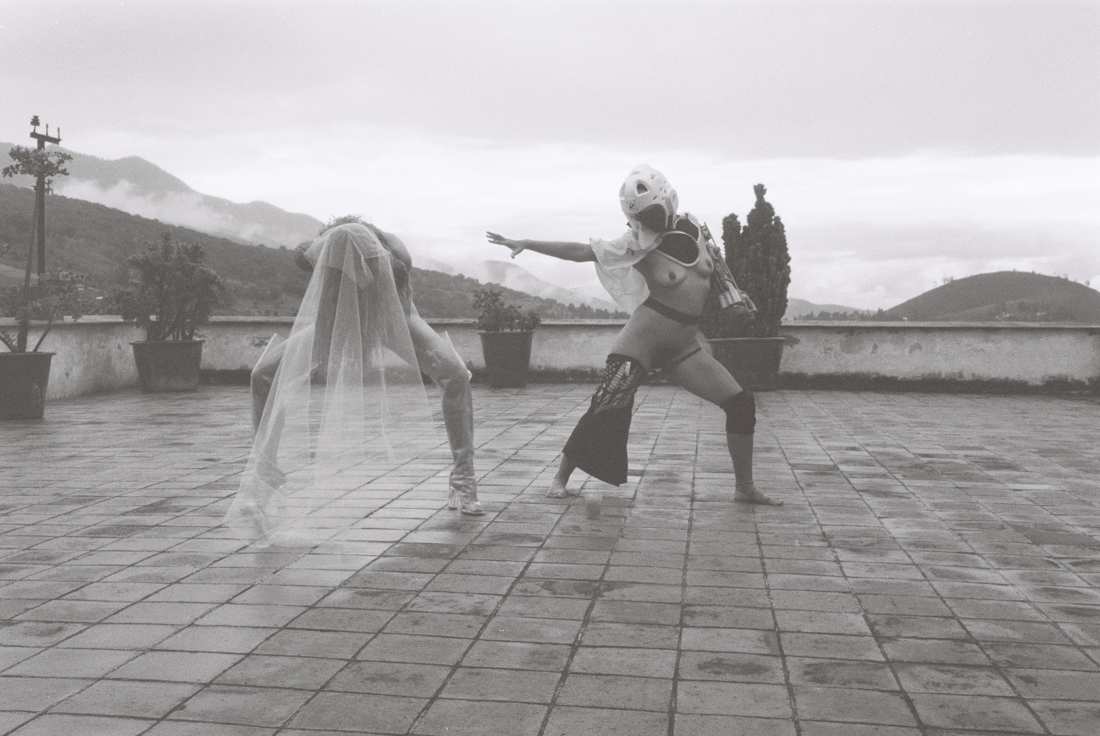
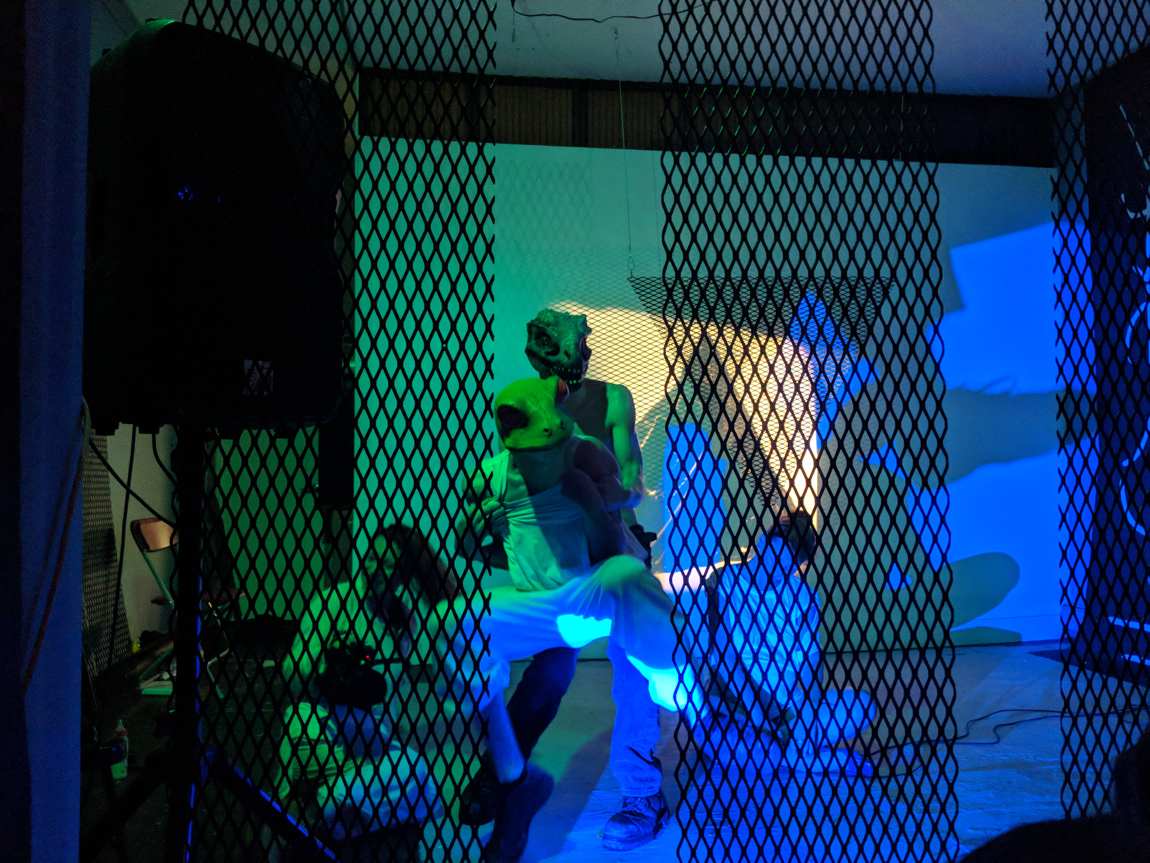
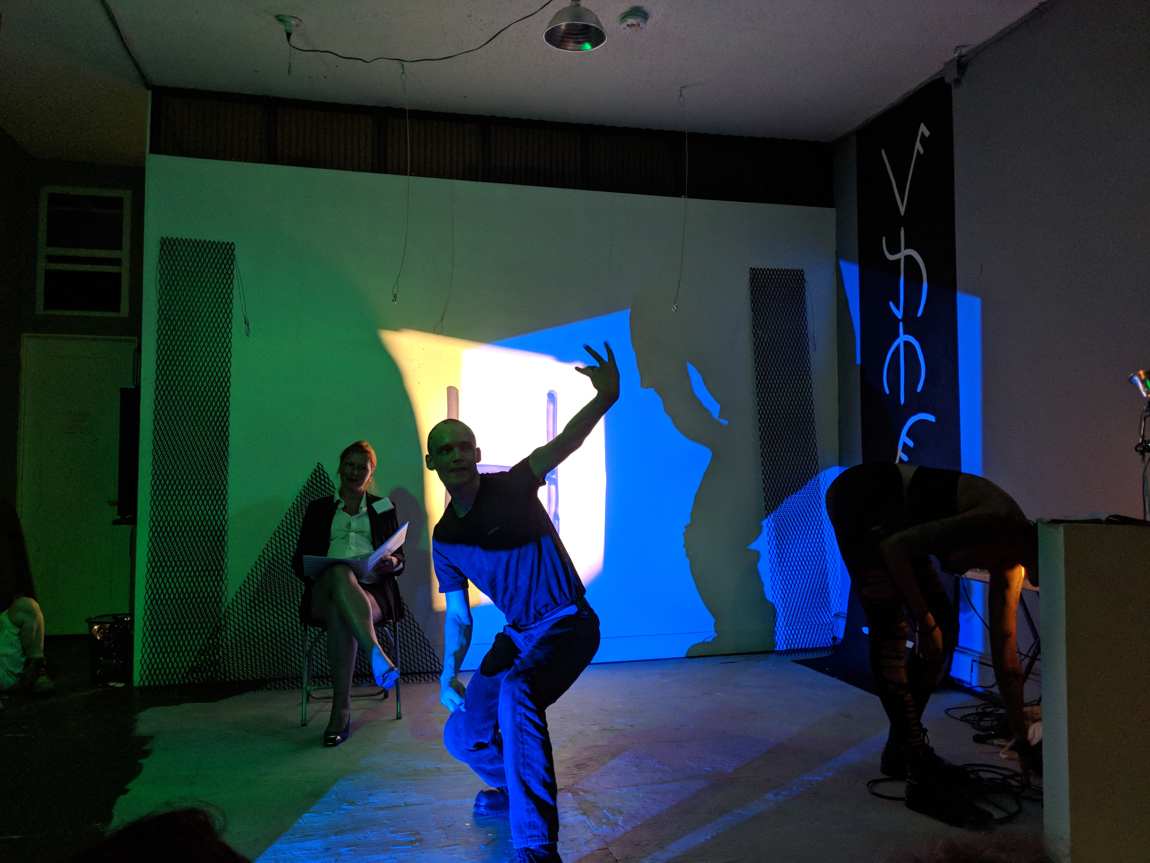
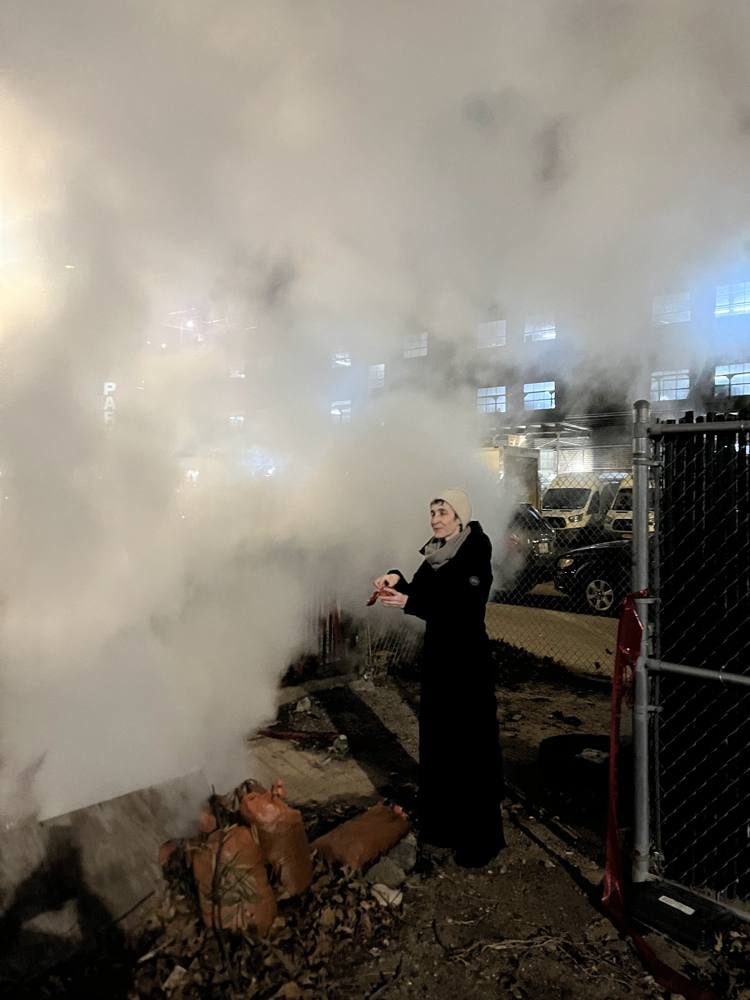
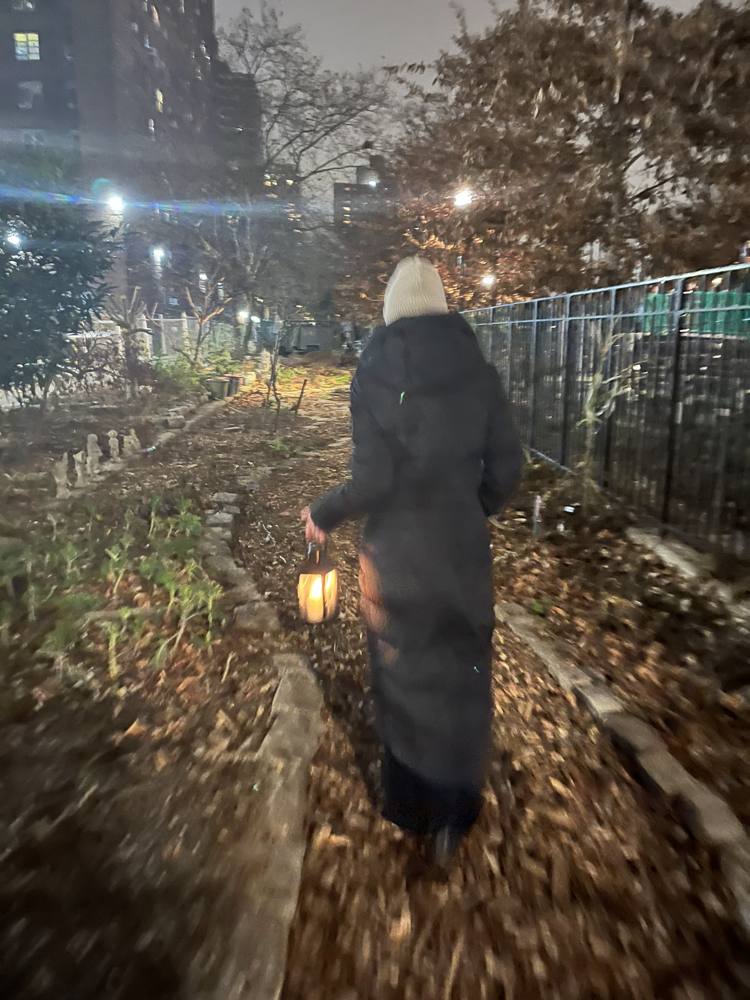
Since 2023, I have been staging devotional “mythic” happenings in urban space — ritual theatre: fires on the river, rituals at the solstice, offerings to the steam-pipe “oracle of Grand Street.” These are collective rites of energetic alignment — the body with the journey of our planet around our star — and meditations on death and rebirth.

In New York City, I am a devoted parishioner of Reverend Billy’s Earth Chxrch, the award-winning radical performance community led by Reverend Billy and Savitri D. Our Earth Day 2026 action at Chase Bank’s Manhattan headquarters was covered by The New Yorker. I live by the Chxrch’s motto: “Don’t go extinct alone!”

  • 2023Mother v. Nation Mason Gross Galleries, New Brunswick — film · artist Natalie Romero
  • 2023Distortions: Moscow Conceptualists Working Today Hunter College Art Galleries, 205 Hudson, NYC — multi-media · curator Olga Zaikina
  • 2023Diverse Universe Performance Festival Pärnu, Estonia · with artist Roberto Sifuentes
  • 2023Hystera Princeton University — public sculpture, Humanities Council–funded (unrealized)
  • 2019Antibody Corporation 10-Year Anniversary Defibrillator Gallery, Chicago — as Natasha
  • 2017Biomechanics in Havana performance with Felipe Dulzaides — Havana, Cuba
  • 2017The Ceremony performance — Defibrillator Gallery, Chicago
  • 2016Traktir Pushkin public reading, Open Studios at SFAI — Santa Fe, NM
  • 2015Protiv Panoply Performance Laboratory — Brooklyn, NY · as Natasha
  • 2015Feet Washing Sermon Santa Fe Art Institute — Santa Fe, NM
  • 2014The Empty Suitcase in On the Impossibility of a Singular Hand, Roman Susan Gallery, Chicago · curated by Joshua Kent
  • 2013In-Between Hatch Space, Detroit, MI — Faustian Deal film screening
  • 2013Boulevard Dreamers artists Lise Haller Baggesen & Kirsten Leenaars, The Franklin, Chicago
Scholarship

What is left of the Left?

My scholarship holds that every truly political project contains an aesthetic project: a sensorial disruption that manifests alternative ways of life. My research examines artists' strategies of resistance that are erased by — or offer alternatives to — neoliberal capitalism and its value system, turning to the utopian imaginaries of the socialist past to excavate a more just and sustainable future.

I hold a PhD in Comparative Literature from Princeton University. My dissertation, Indigestible Bodies: Towards a Theory of Post-Socialist Performance — written with a committee including Diana Taylor, Boris Groys, and Eduardo Cadava — deconstructs Cold War modalities of reading post-socialist art, in which the West casts it as lacking and desiring liberal "freedom of expression." Against this frame, the indigestible body names an aesthetic strategy: if integration into the Western art world is a digestion of otherness, the indigestible is what resists consumption — what remains threatening, repugnant, or invisible to the post–Cold War palette. The dissertation moves from the Red Square to the global art market: Dvizhenie ETI's 1991 reenactment of the Revolution, Zhu Yu's negative aesthetics, the Sect of Absolute Love's post-human communism of the morgue, with bridges to Taus Makhacheva, Tropicália's antropofagia, and Natalia LL.

My current research bridges global anti-capitalist art with indigenous epistemologies and the environmental humanities to address the crisis of futurity in the Anthropocene — an inquiry Sacra Kaka performs in the first person. I was a Visiting Scholar at NYU's Jordan Center for the Advanced Study of Russia, and I am a co-founder of Spaika.Media, an independent portal on performance art and actionism in post-Soviet territories.

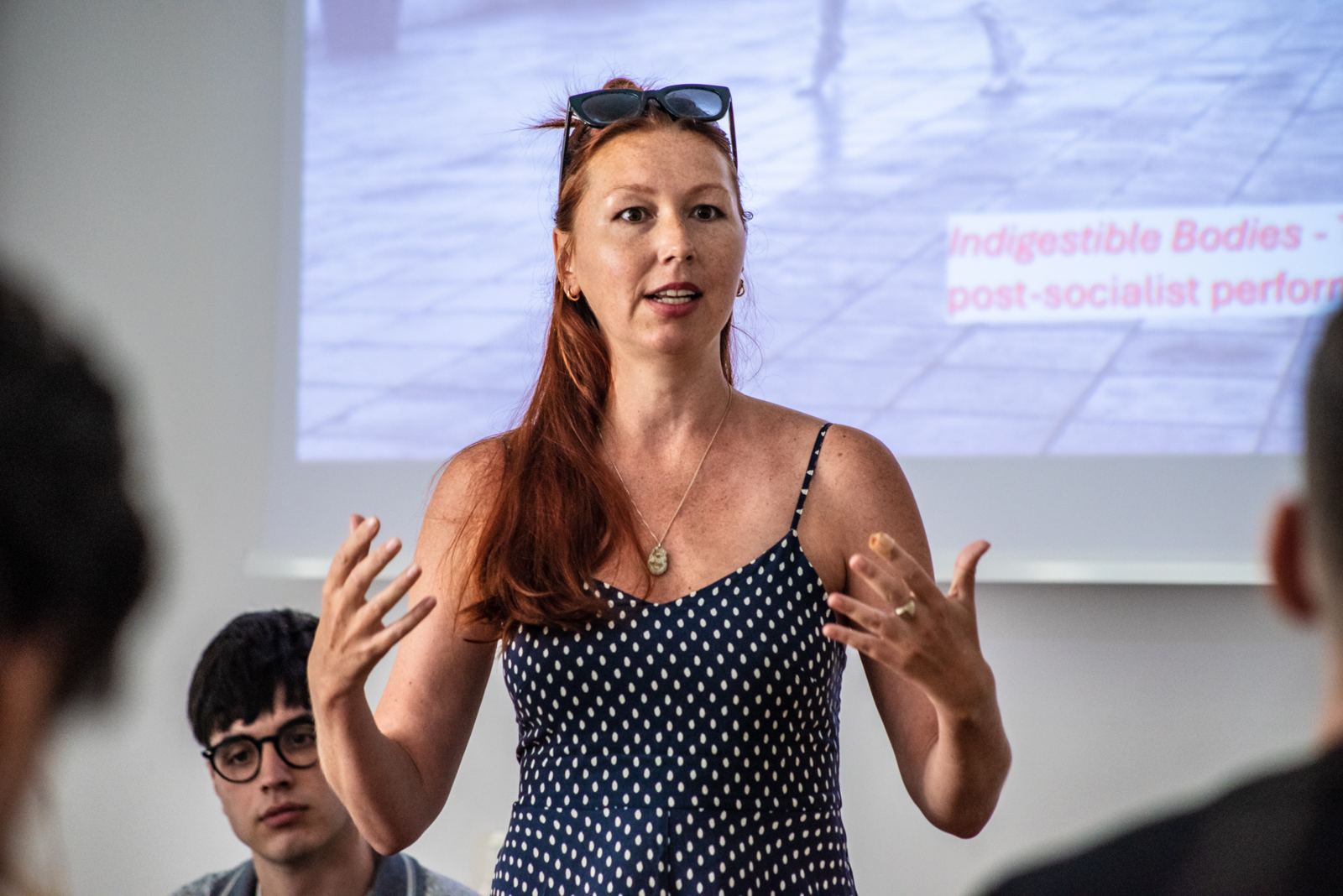
Dasha Filippova speaking at the Ljubljana Summer School, the title of her dissertation, Indigestible Bodies, projected on the screen behind her
Ljubljana Summer School — speaking beneath the dissertation
Teaching

Radical tenderness

I love teaching. I work across different fields and periods in the Humanities, and I view teaching as a way to reflect critically on the history that has constructed our sense of being and acting in the world — and to collectively reconceptualize our space of action in the present.

My pedagogy is in dialogue with performance studies: embodied, and decolonial in practice. At its center is radical tenderness, a practice I carry from La Pocha Nostra — holding educational space through vulnerability, trust, and generosity. Students read foundational theory and make work: a class on Butler produces performances about gender, not only papers about it, so that students discover themselves as co-authors of the scripts they perform every day. My teaching adapts to the changing landscape of AI, and is in constant relation to the question of the role of the Humanities for humans today. I hold that my focus on the body as an epistemology, even in literature-based classes, is uniquely suited to these humanistic tasks.

"Literally the best class I have taken at Princeton."
— student evaluation, Introduction to Performance Studies
School of Visual Arts · 2025–current

Utopia / Dystopia

“The here and now is a prison house. We must strive… to think and feel a then and there… we must dream and enact new and better pleasures, other ways of being in the world, and ultimately new worlds.”
— José Esteban Muñoz

What is the best possible world? A journey through utopian paradises and dystopian wastelands — how literature, art, architecture, and film imagine the futures we desire and dread. From Eden to Mars, from Thomas More’s Utopia to Paul B. Preciado’s “dildo communism,” we dissect how cultural, political, and technological forces shape these narratives. We write manifestos, ask what it means to dream, build, and sometimes destroy our visions of the “perfect” society — and collectively build our own. Includes a field trip to Little Island.

School of Visual Arts · 2024–current

Modernism I & II

A two-semester literature sequence on modernity and its ruptures: Modernism I travels from Voltaire's Candide to Mallarmé; Modernism II plunges into the twentieth century.

School of Visual Arts

Human–Divine

A journey through humanity's encounters with the sacred — from the Rig Veda and Gilgamesh to Sufi whirling, Nietzsche, and Bergman — taught through discussion, ritual, and performance.

Baruch College, CUNY

Great Works of Literature

A survey of foundational works of world literature — from Gilgamesh and the Odyssey to the Qur’an and Medea — read closely and discussed together.

Princeton University · Spring 2022

Acting, Being, Doing, Making

An introduction to performance studies in theory and practice. What is performance, and where are its limits? Students apply key readings to sites beyond the theatre — museums, concerts, sporting events, community celebrations — and read everyday behavior, in restaurants and on the street, as performance. Visiting artists and a field trip to a New York performance space. Co-taught with Stacy Wolf, Lewis Center for the Arts.

New Jersey State Prisons · Fall 2021 – Spring 2022

Art Appreciation · Literature & Composition

Taught inside two prisons through the Princeton Prison Teaching Initiative (PTI): art appreciation at East Jersey State Prison, and literature, writing, and composition at Northern State Prison — where a class initially wary of “contemporary art” came to treat art as a language one learns.
Contact

Write to me

For readings, performances, teaching, commissions, or the manuscript:

darjaf@alumni.princeton.edu

Curriculum vitae (PDF)  ·  Native Russian and Estonian; fluent Italian; advanced Mandarin, French, and Spanish; reads Ancient Greek.